Visualizing Sound
Graphic Design • 4D • Interaction
Tools: Adobe Illustrator, Photoshop, Procreate, Woodshop, 4D Audio, Logic
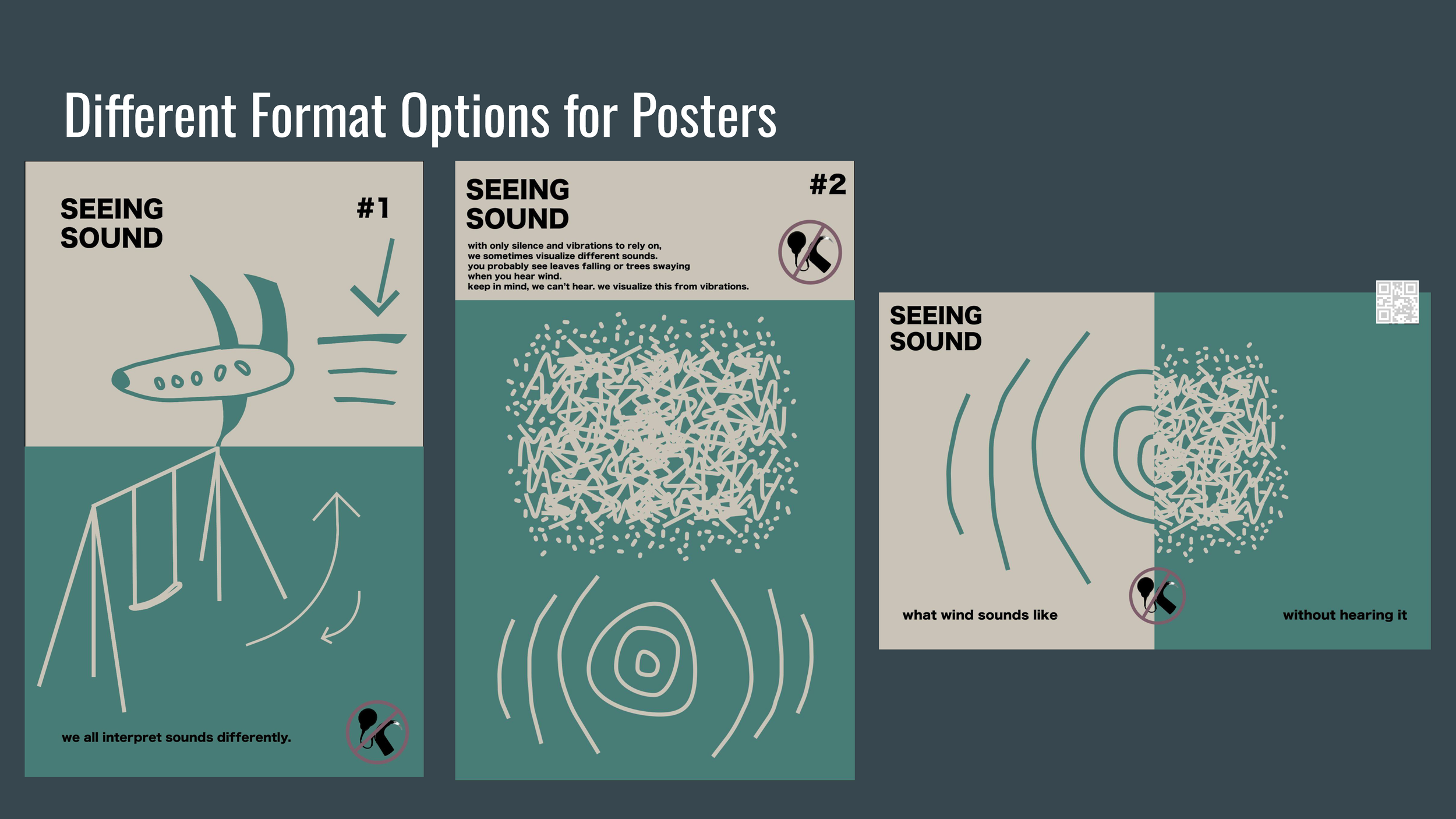
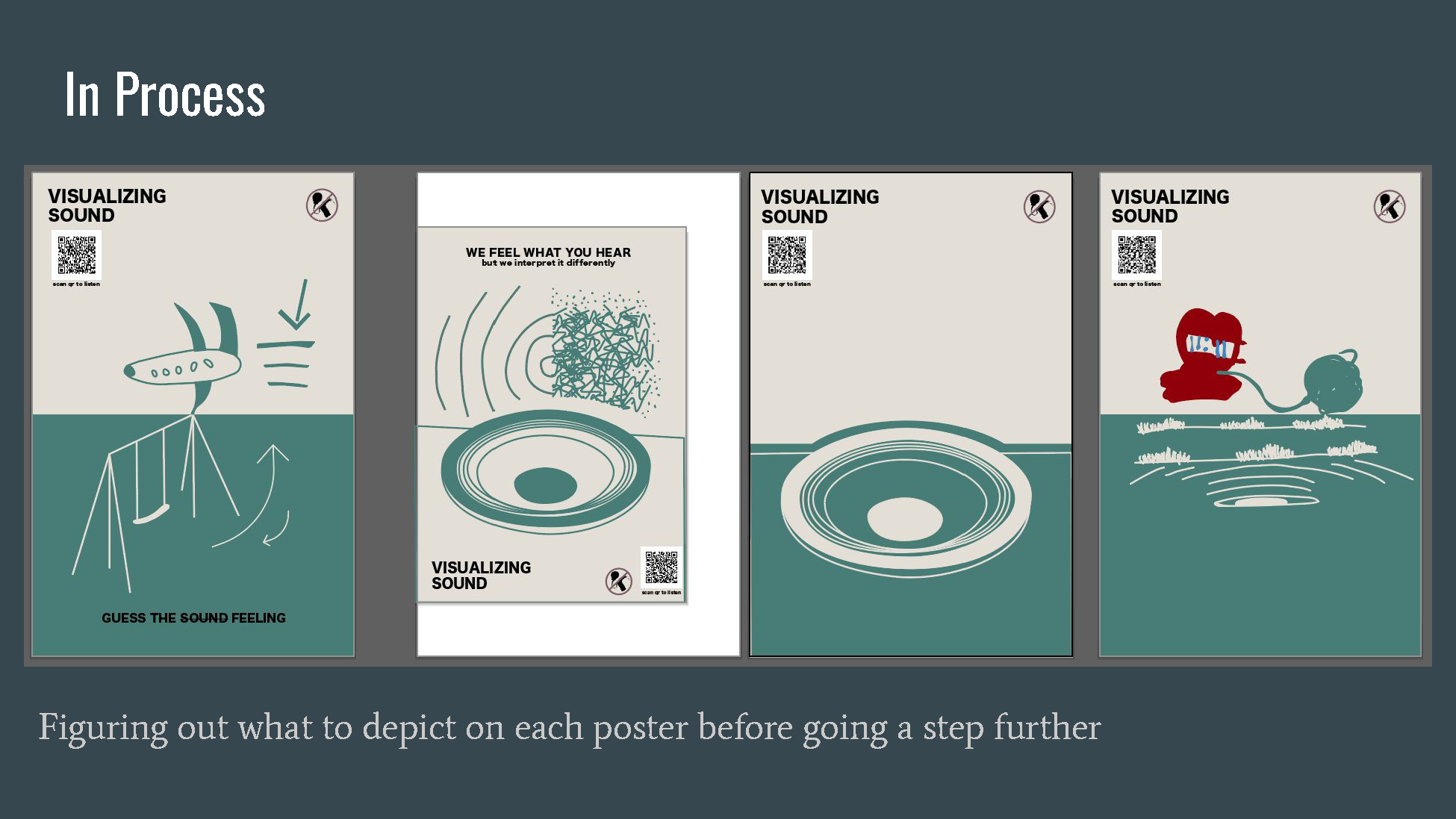
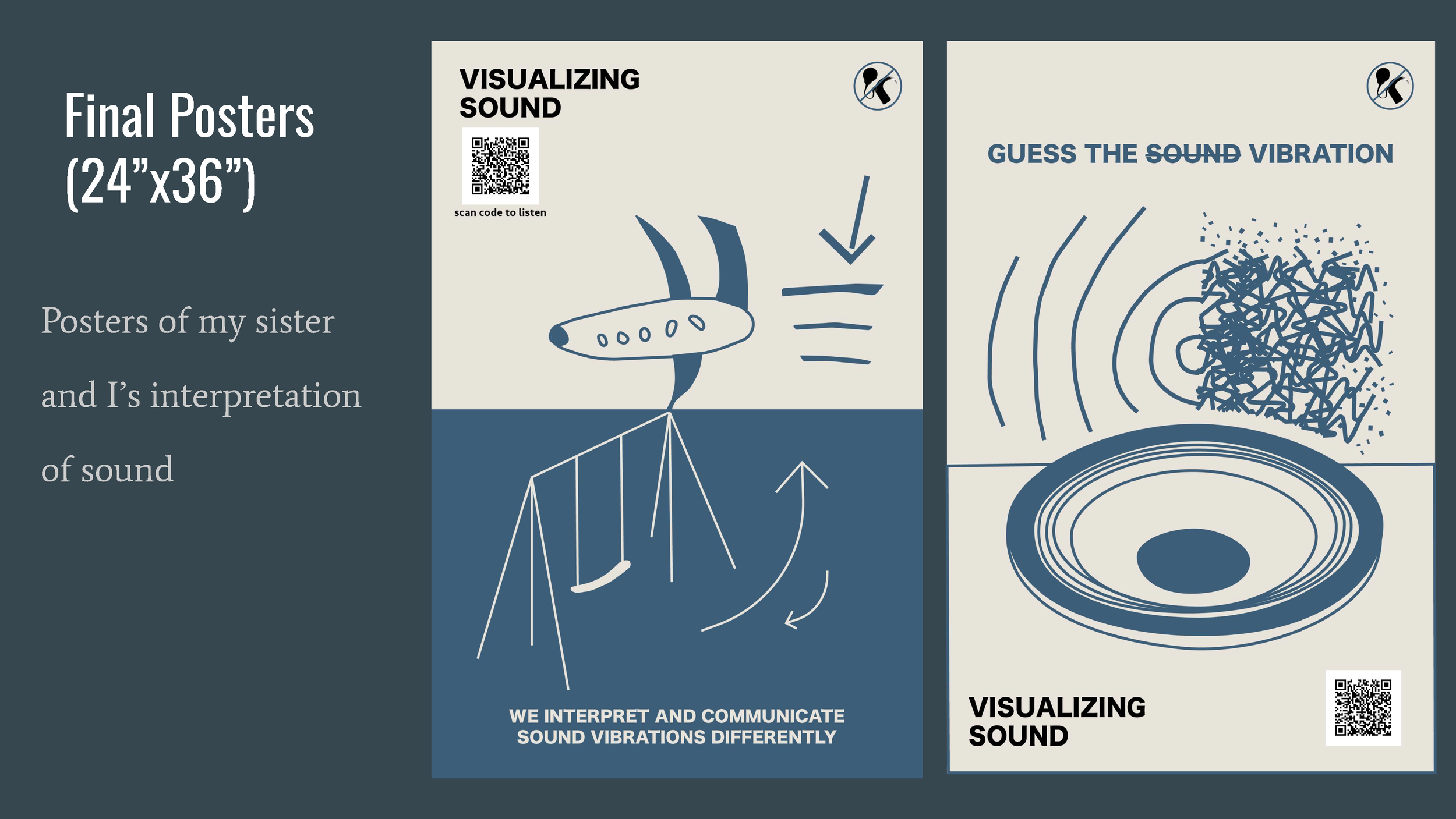
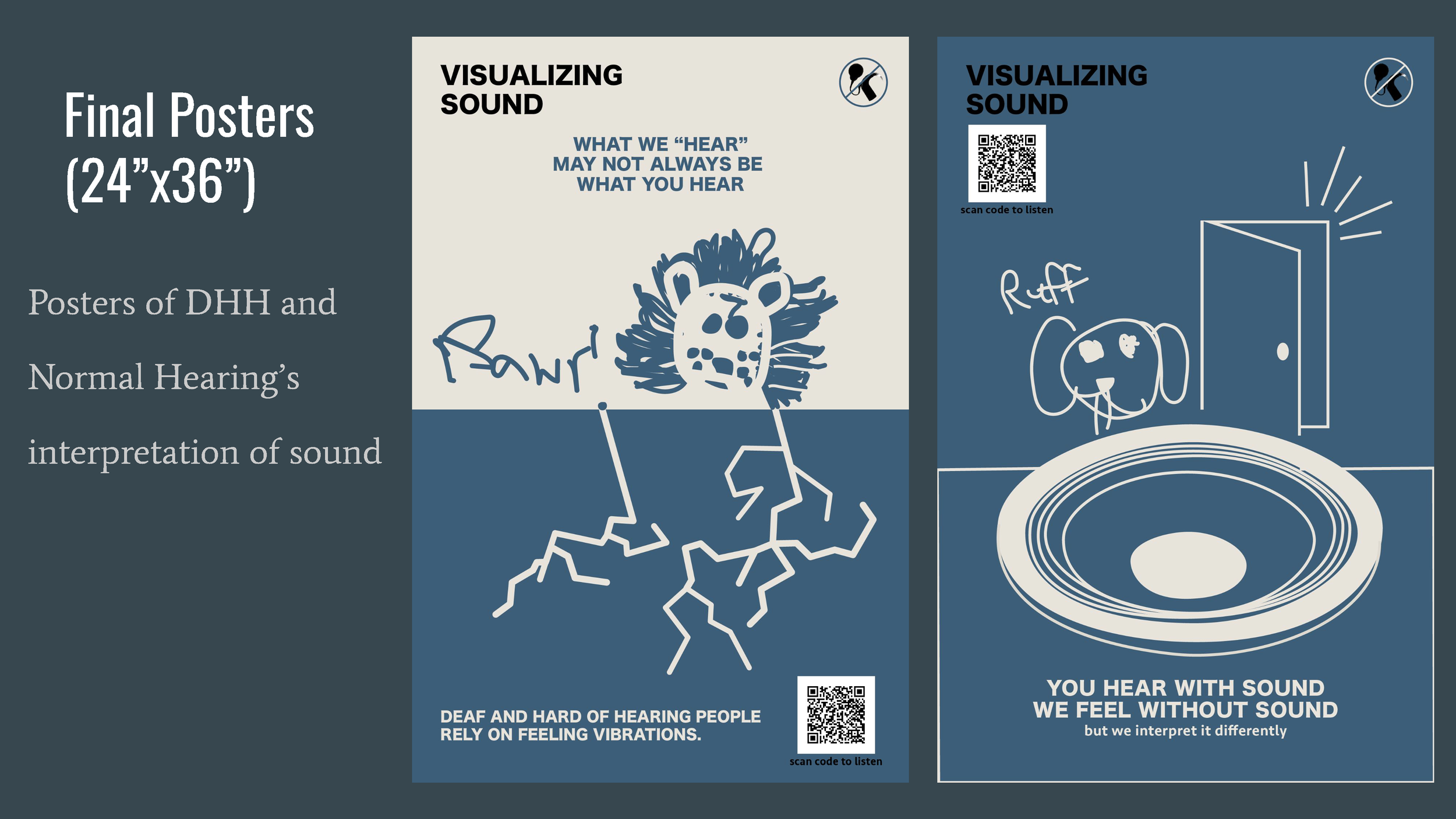
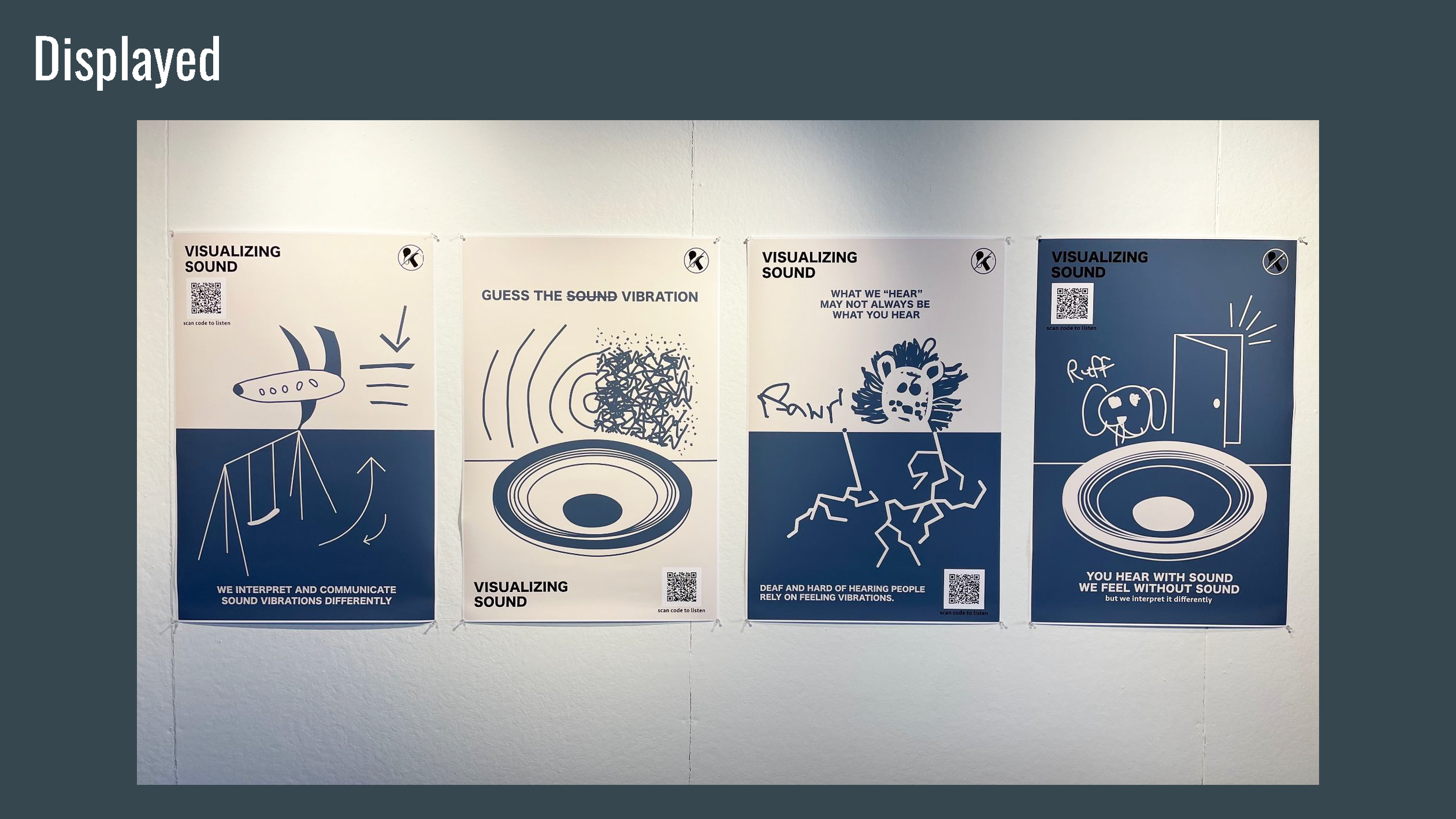
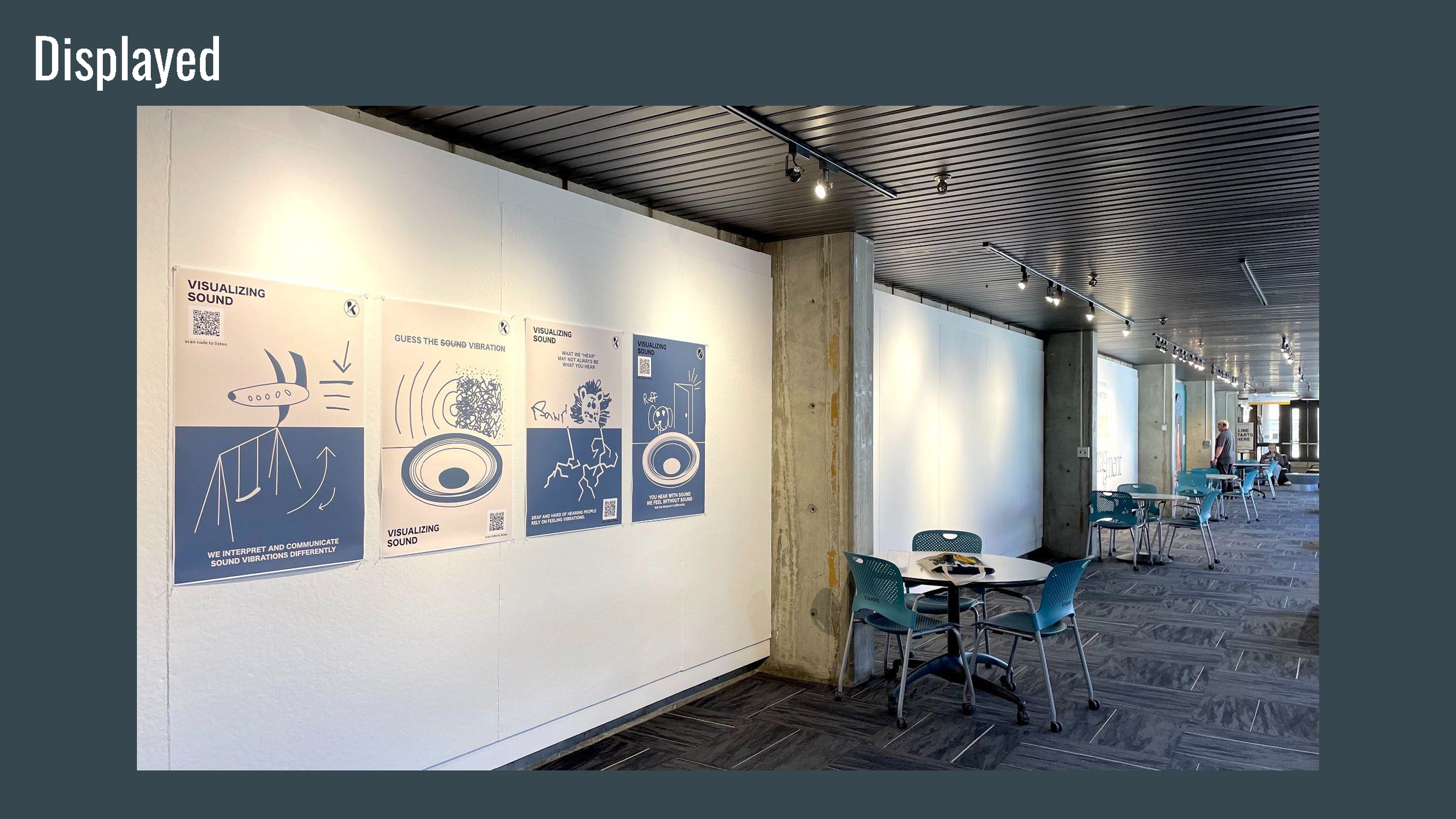
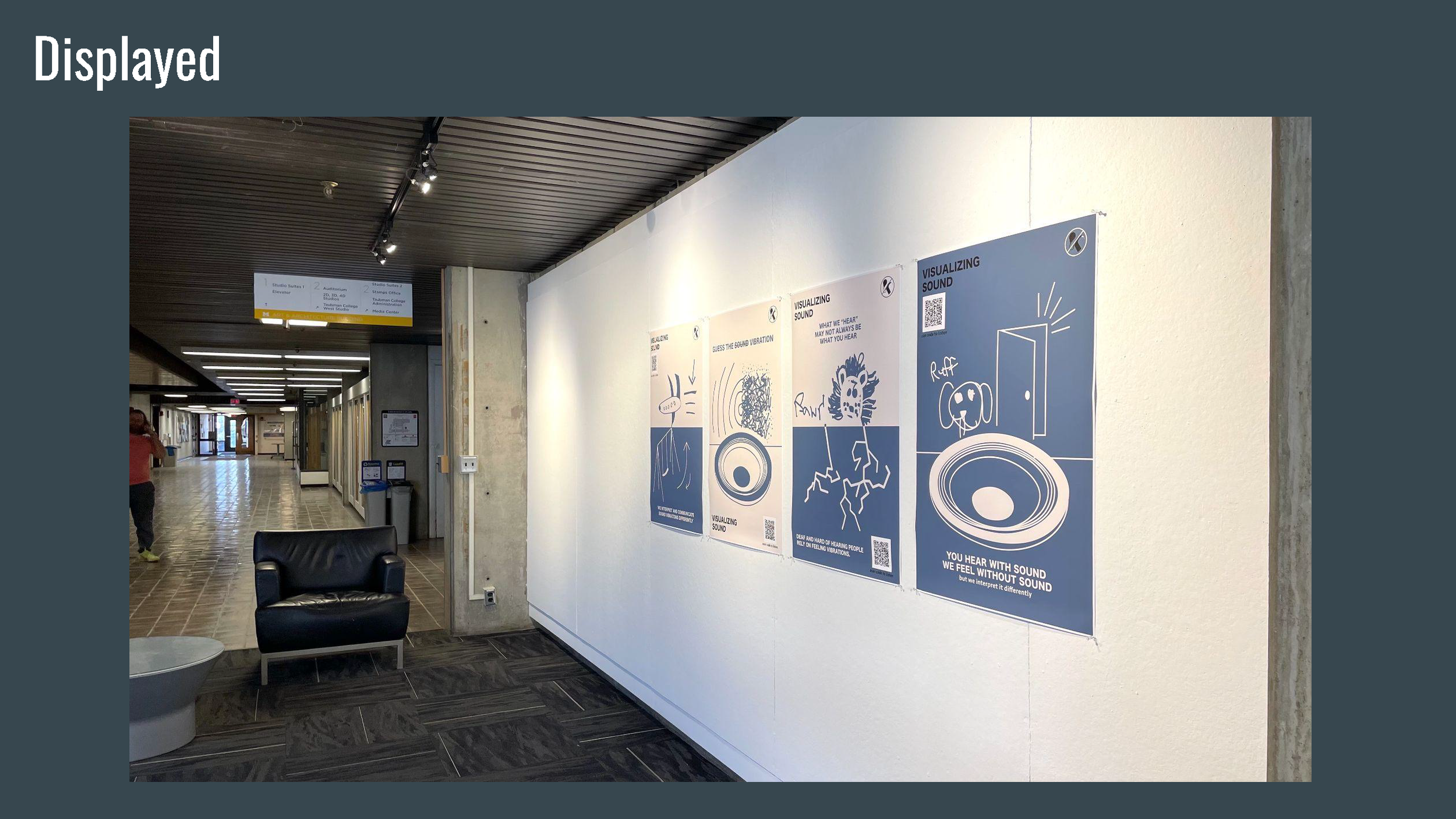
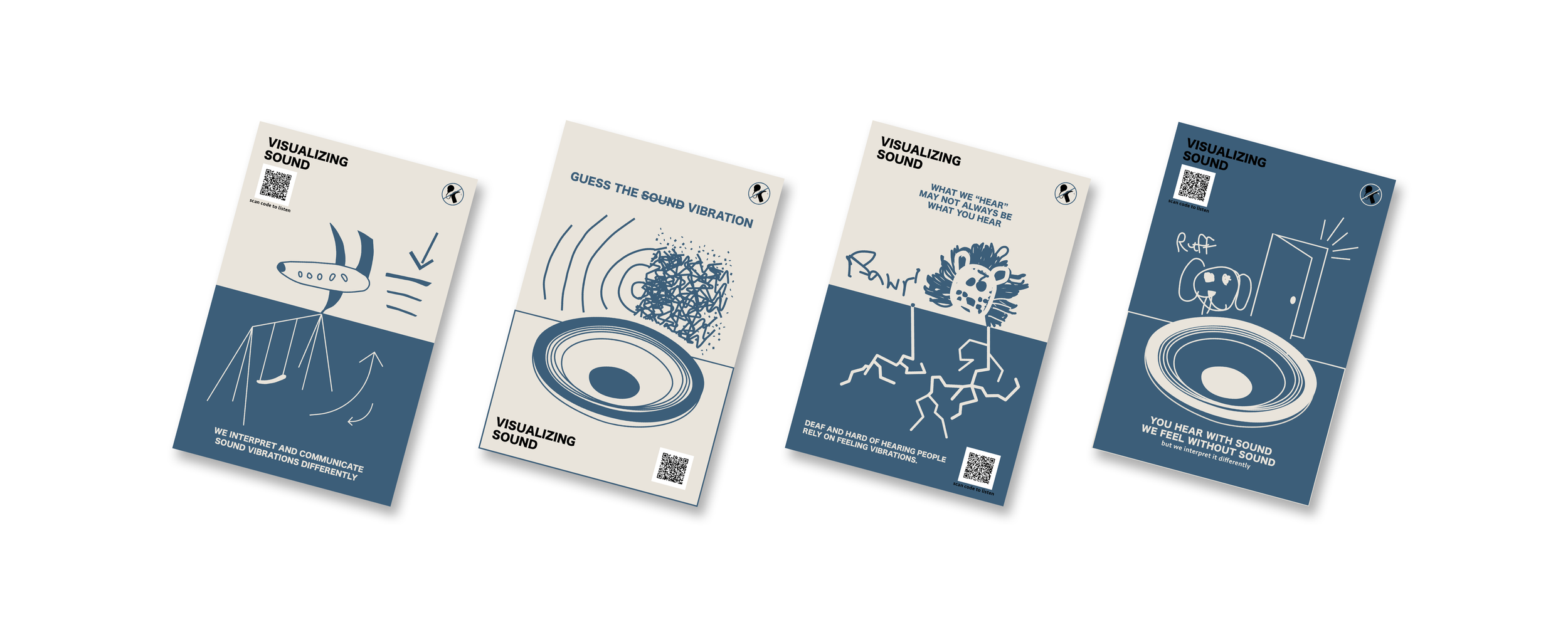
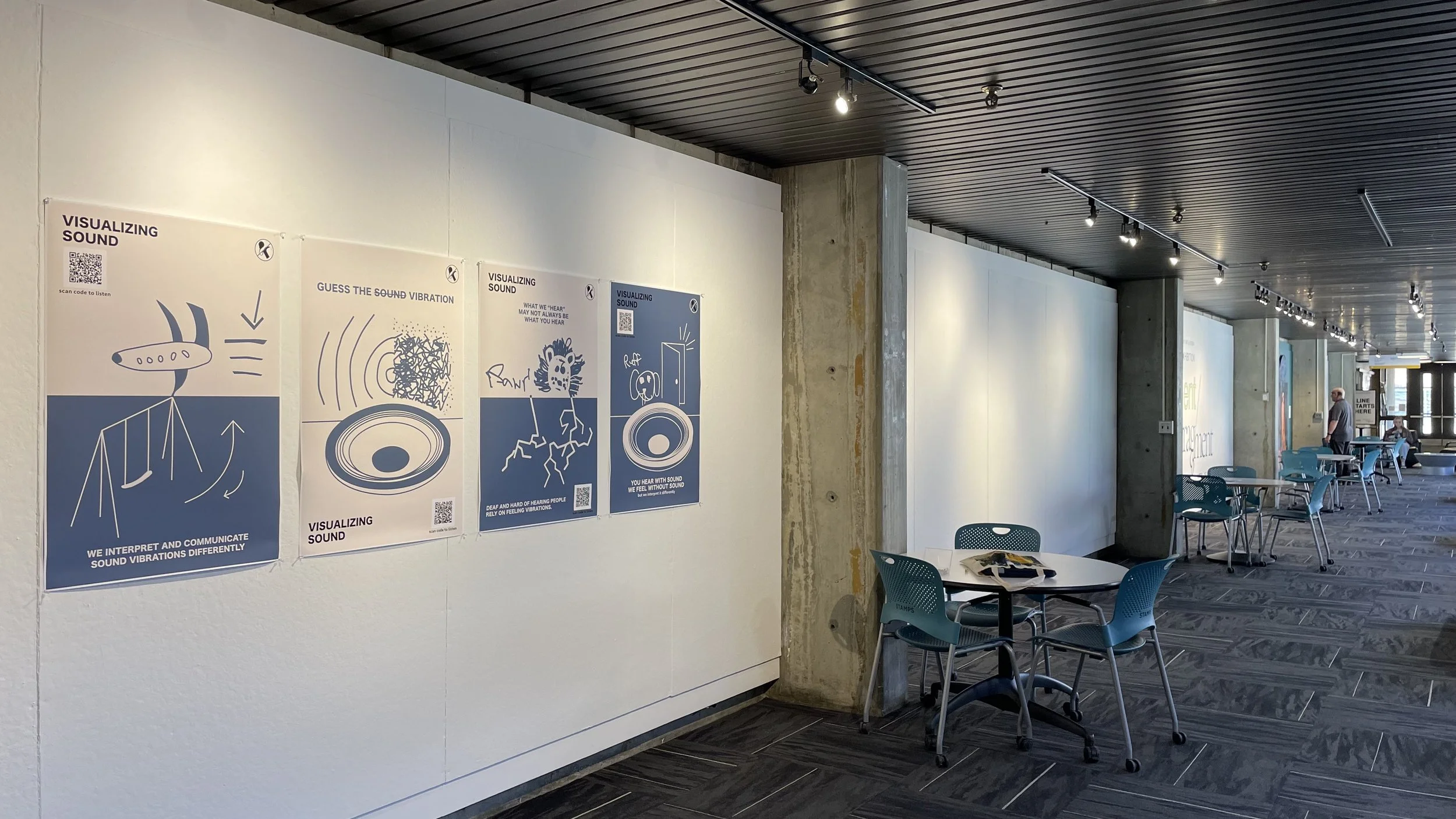
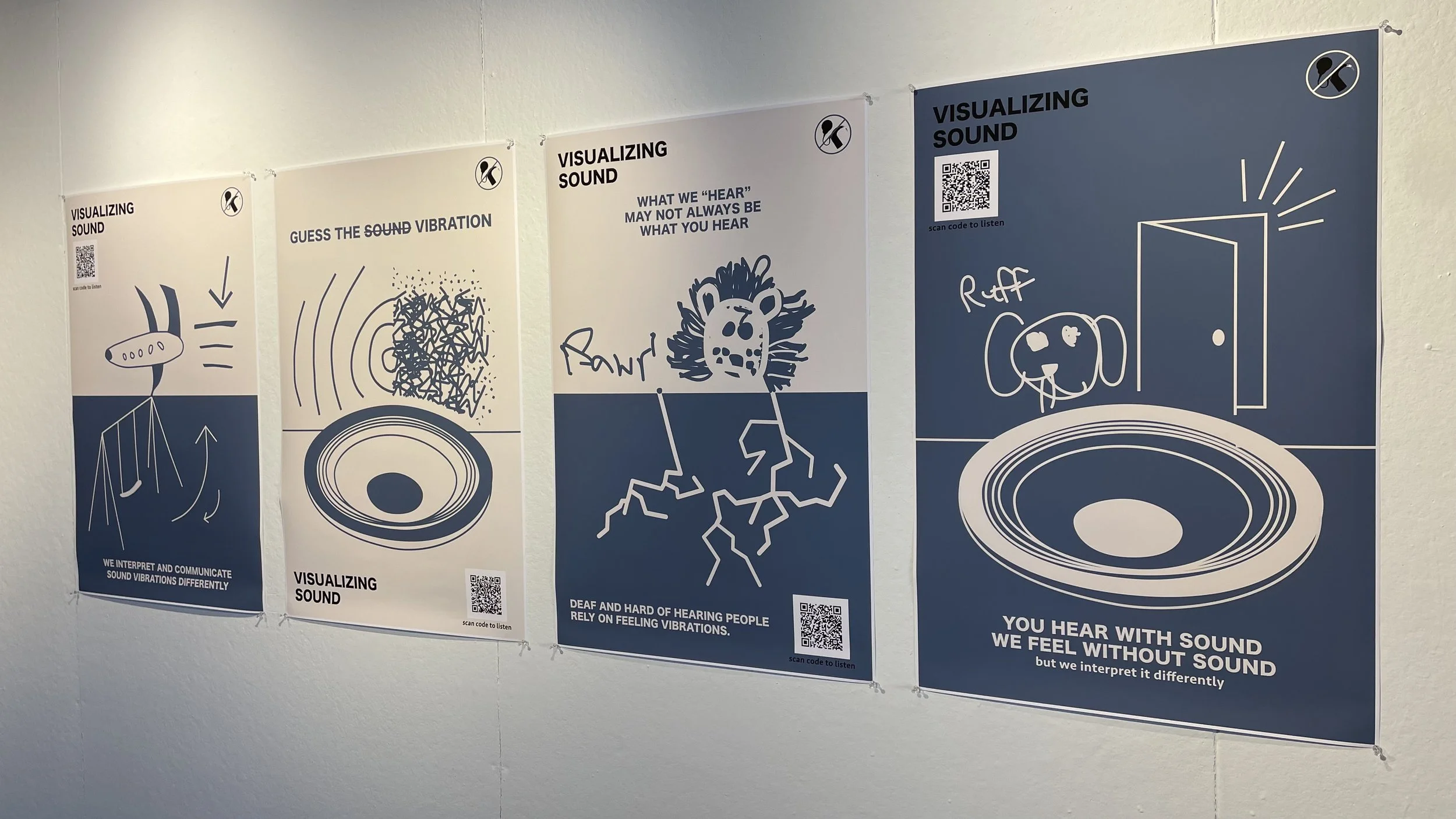
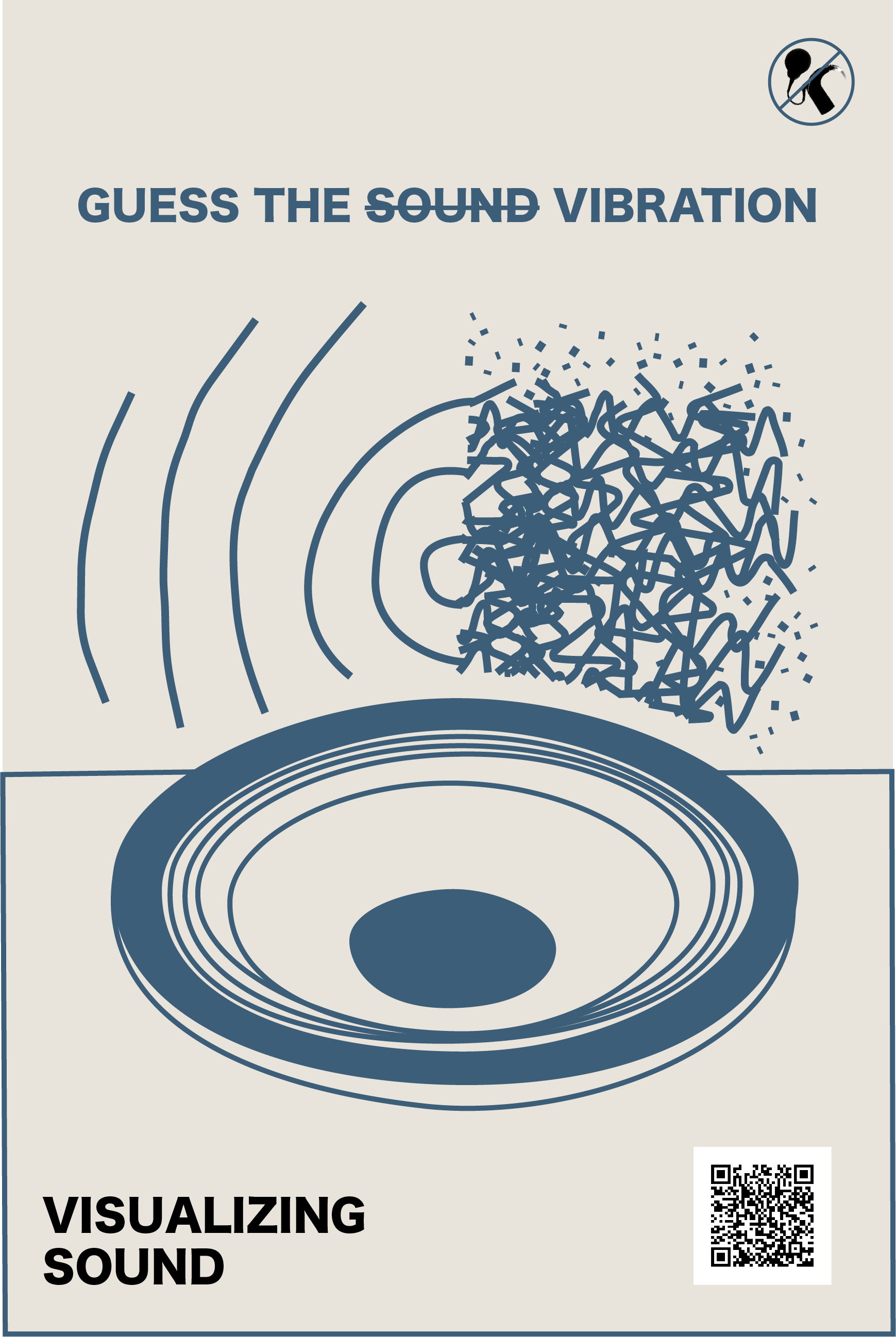
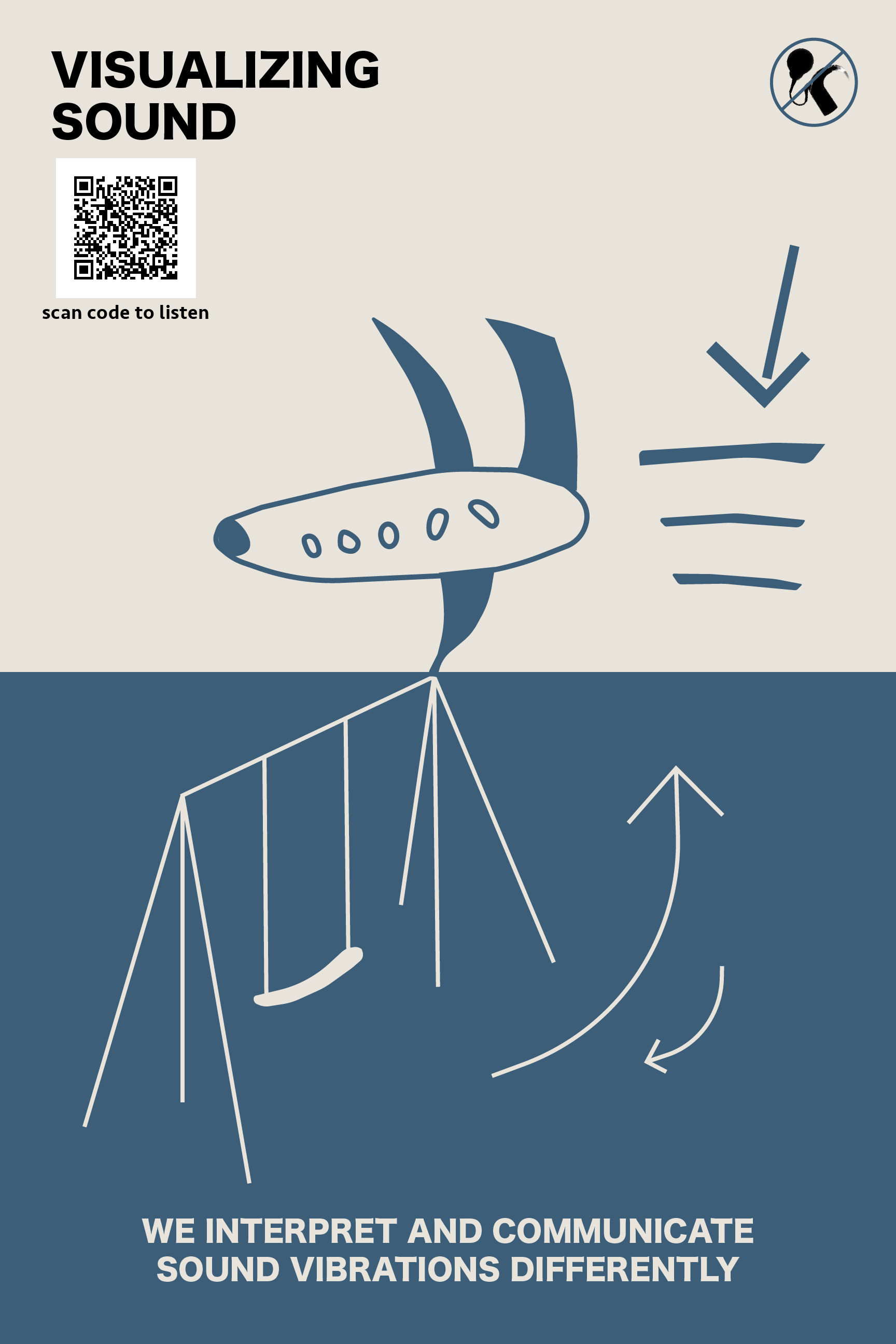
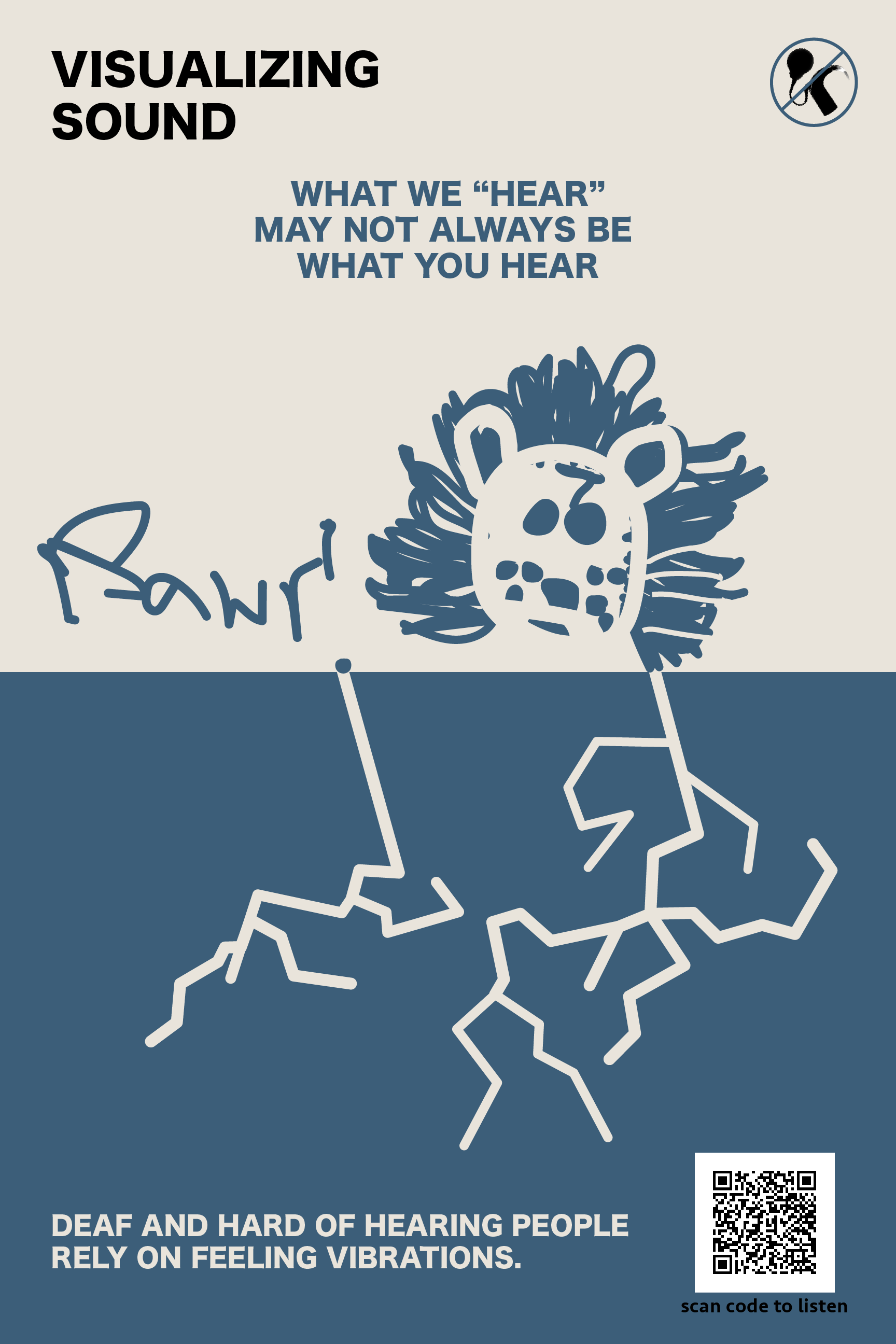
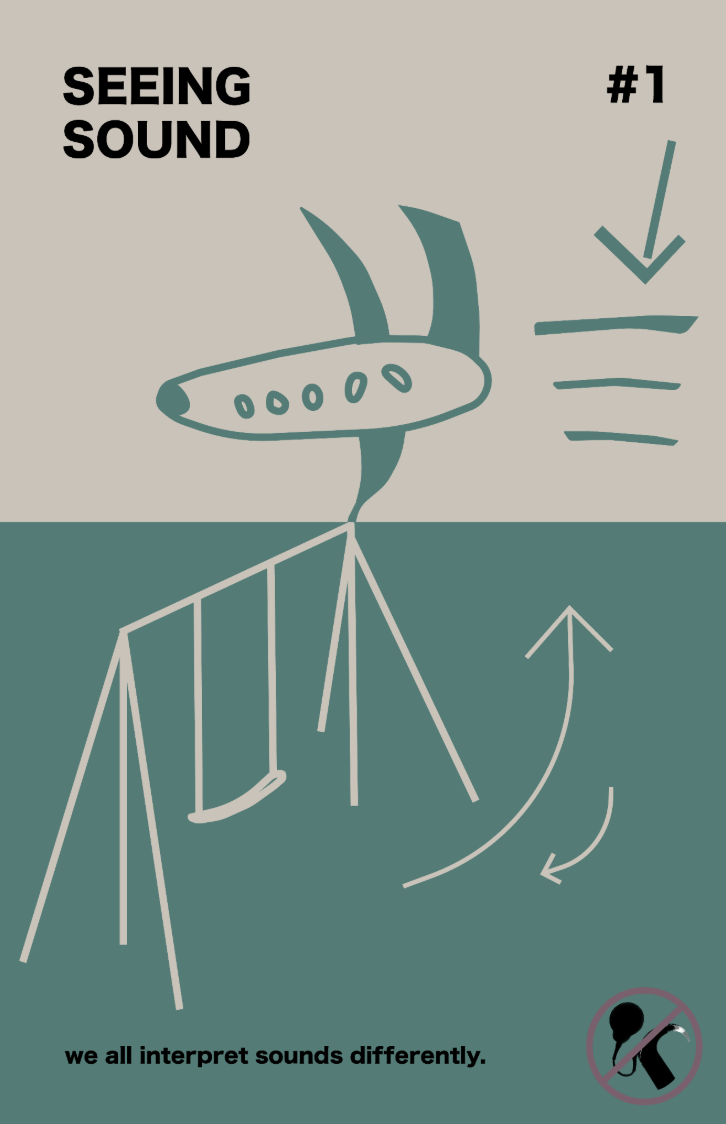
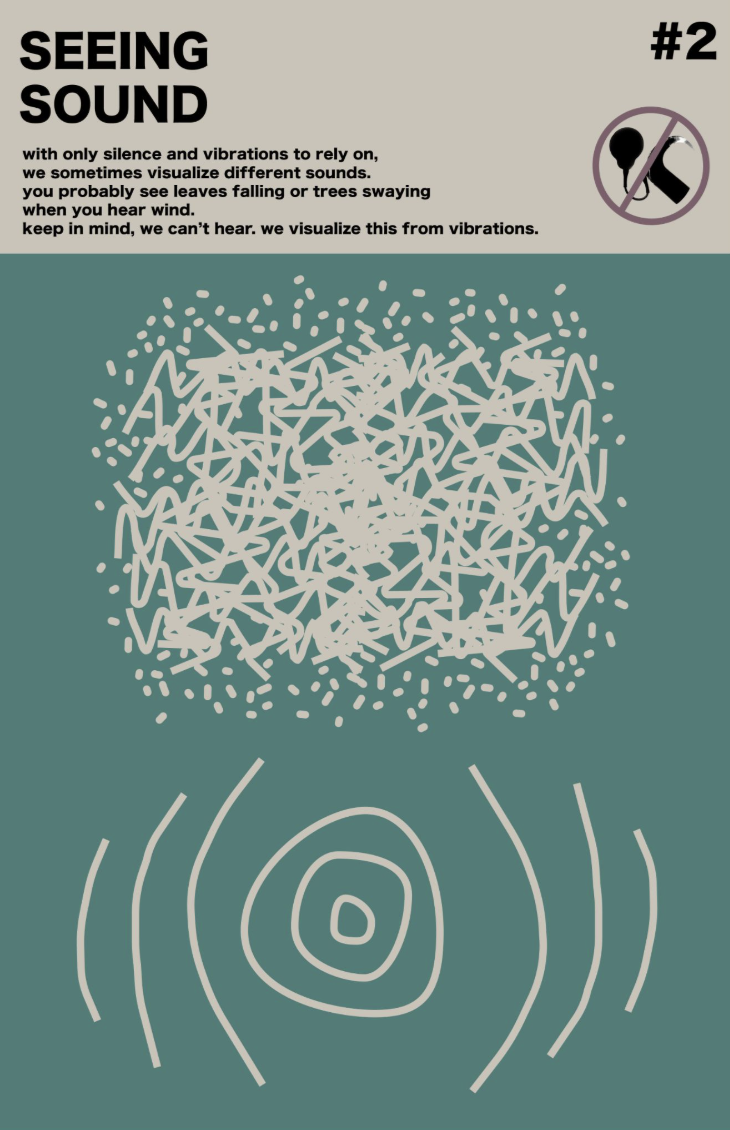
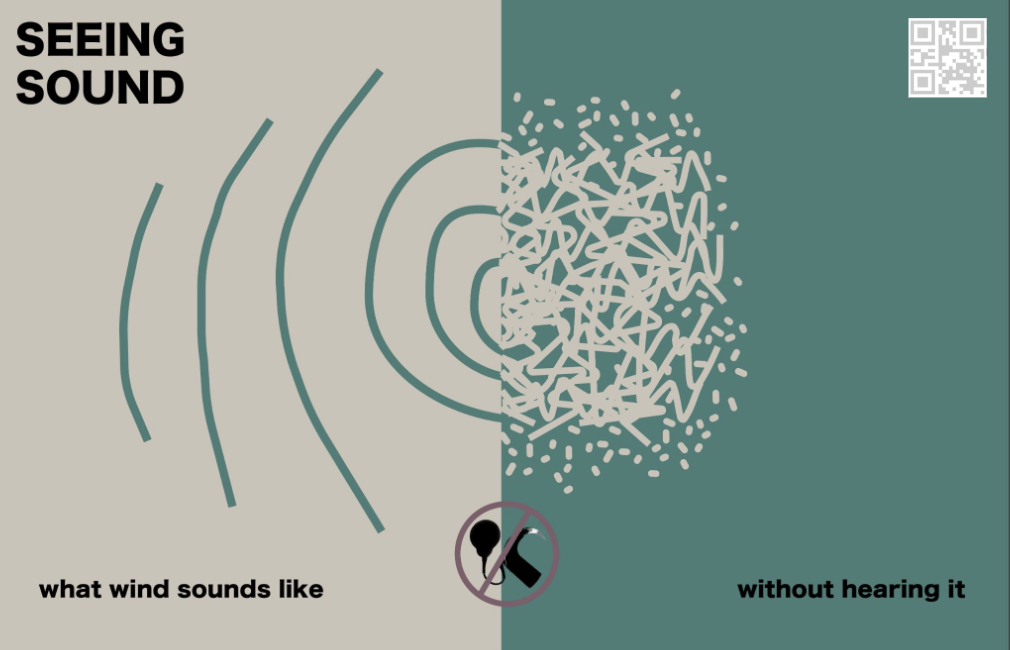
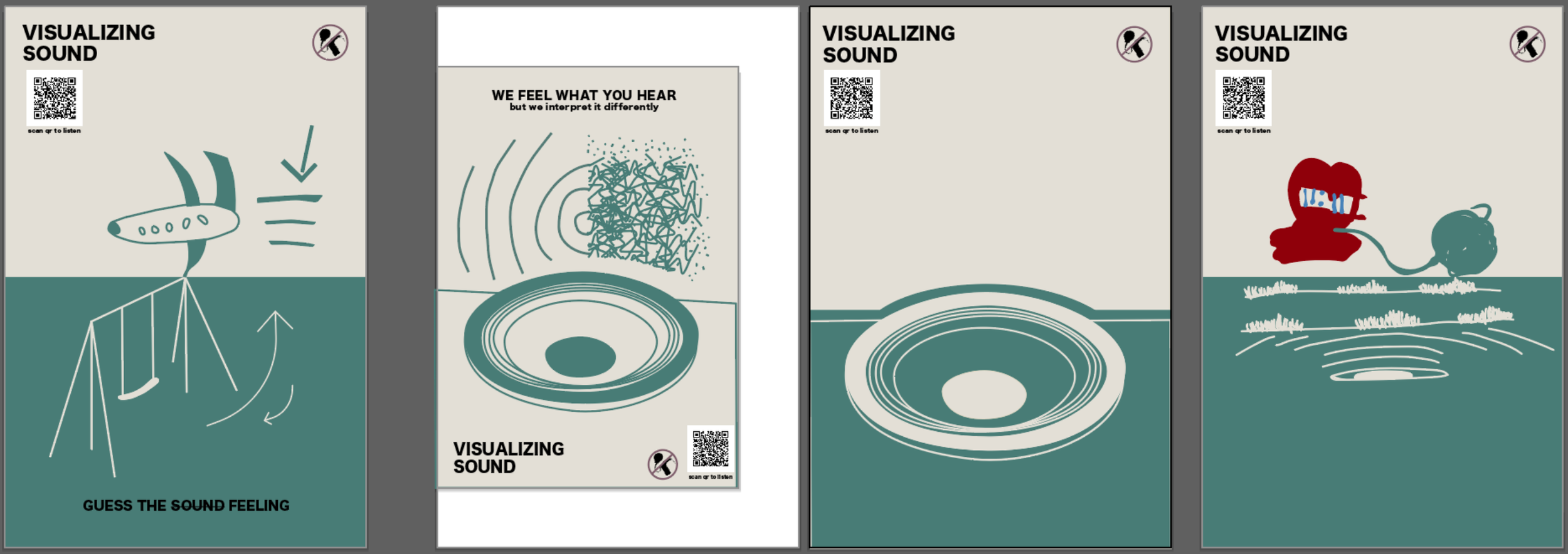
Visualizing Sound is a series of visual posters depicting the many different ways that DHH people interpret sound vibrations as well as comparing them to normal hearing people to inform the public about communication not always being the same interpretation for everyone.
Project Statement:
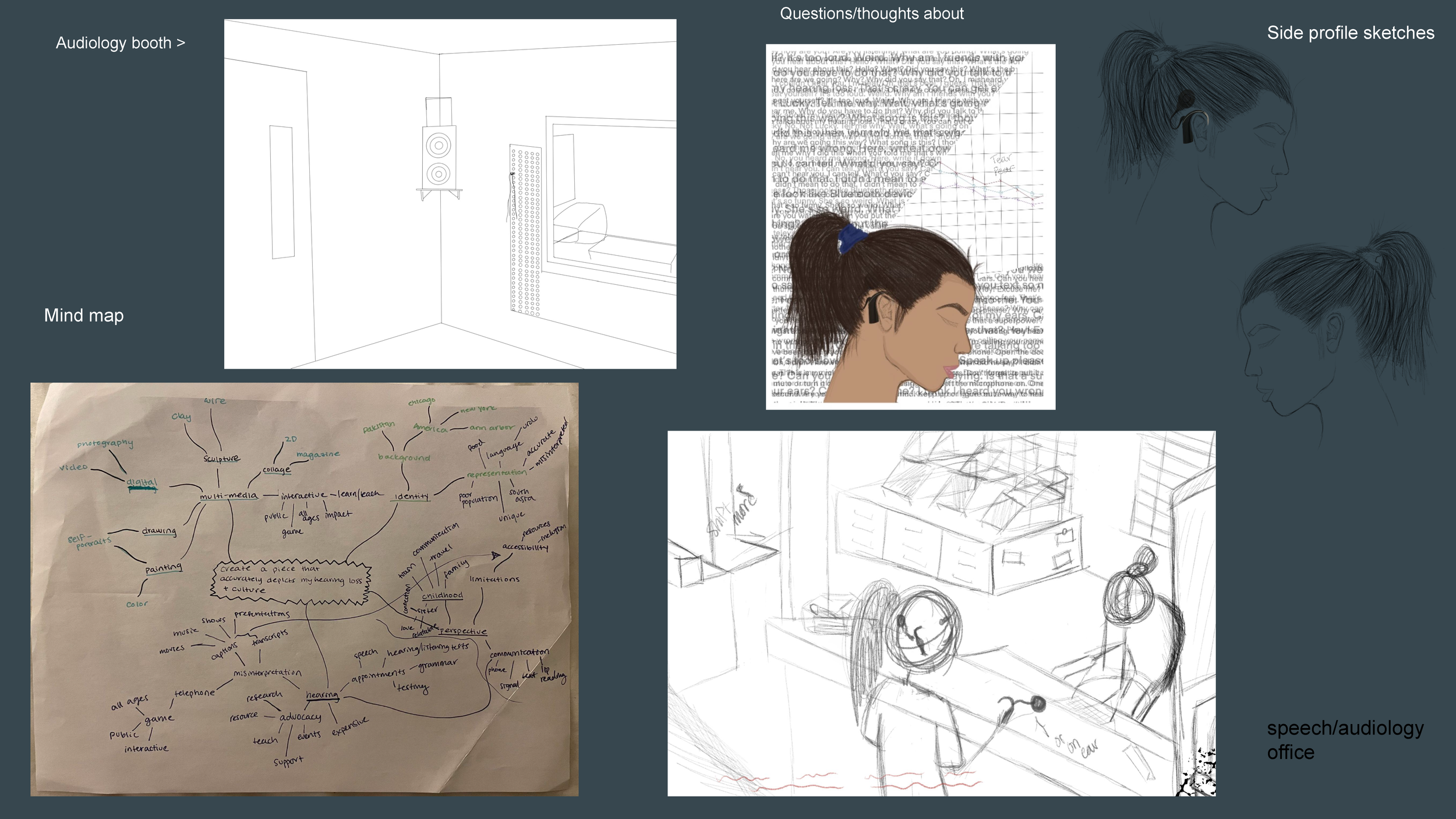
Create a piece that accurately depicts my hearing loss differences
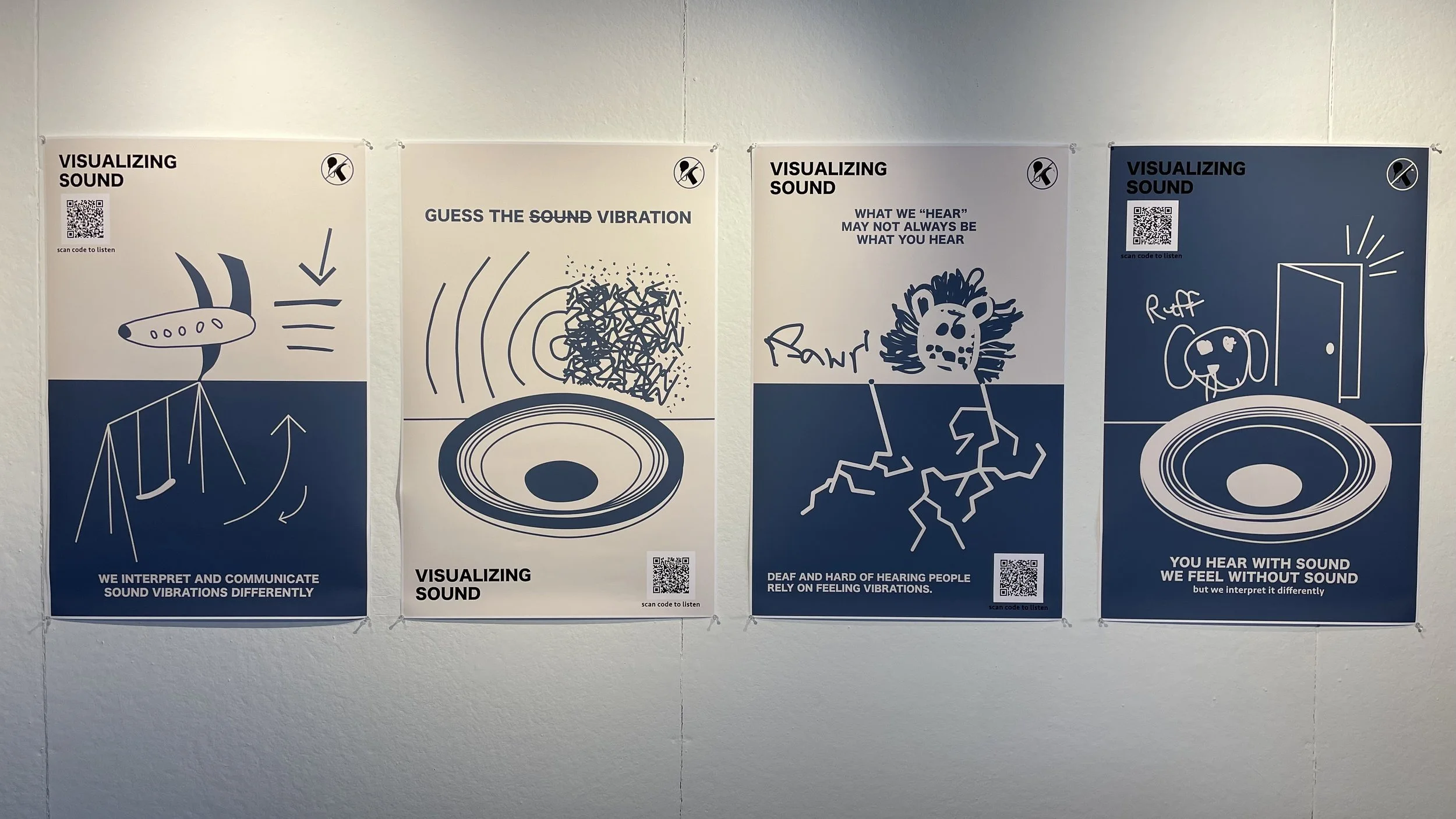
Final Posters:

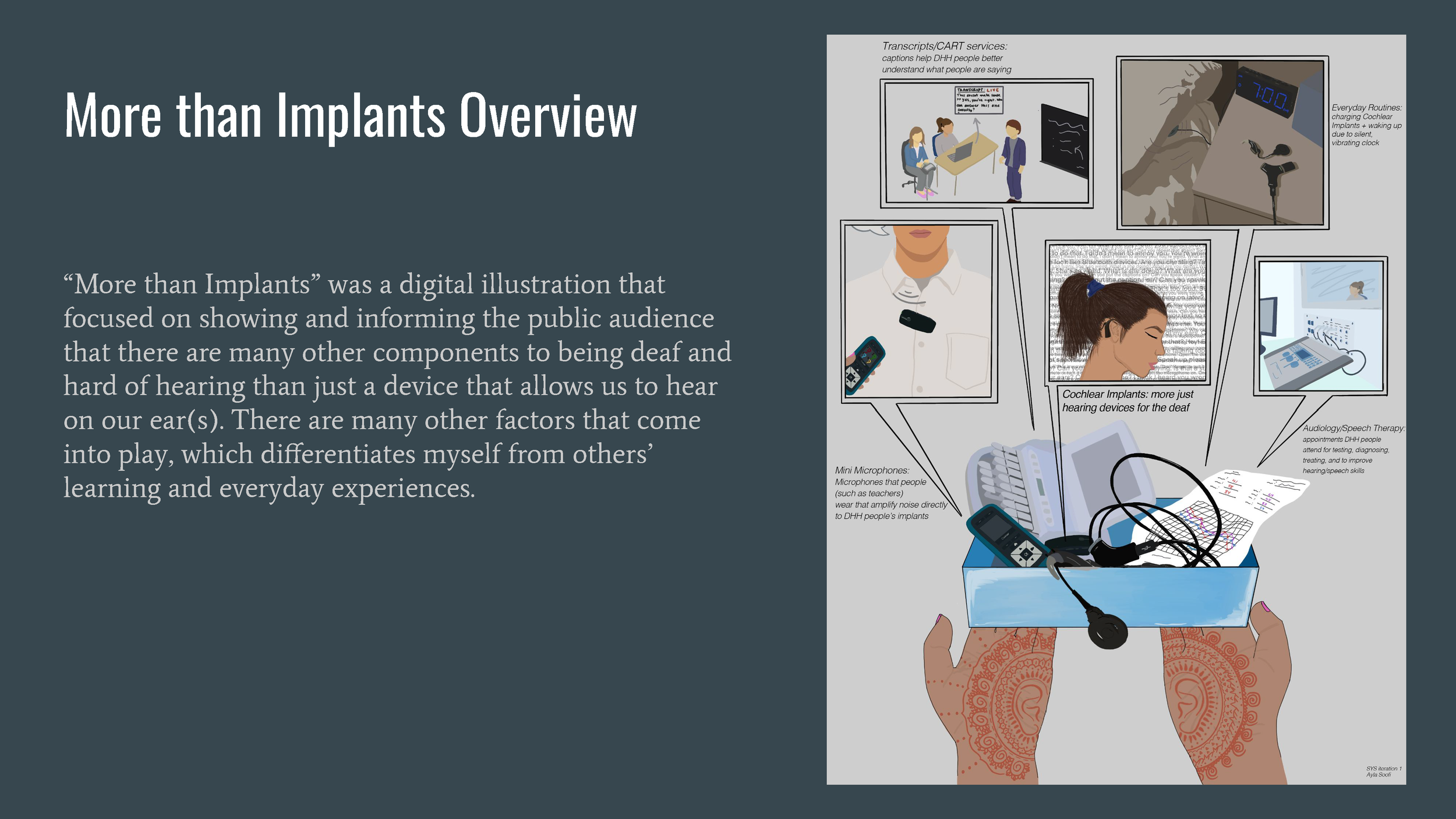
Iteration 1: More Than Implants
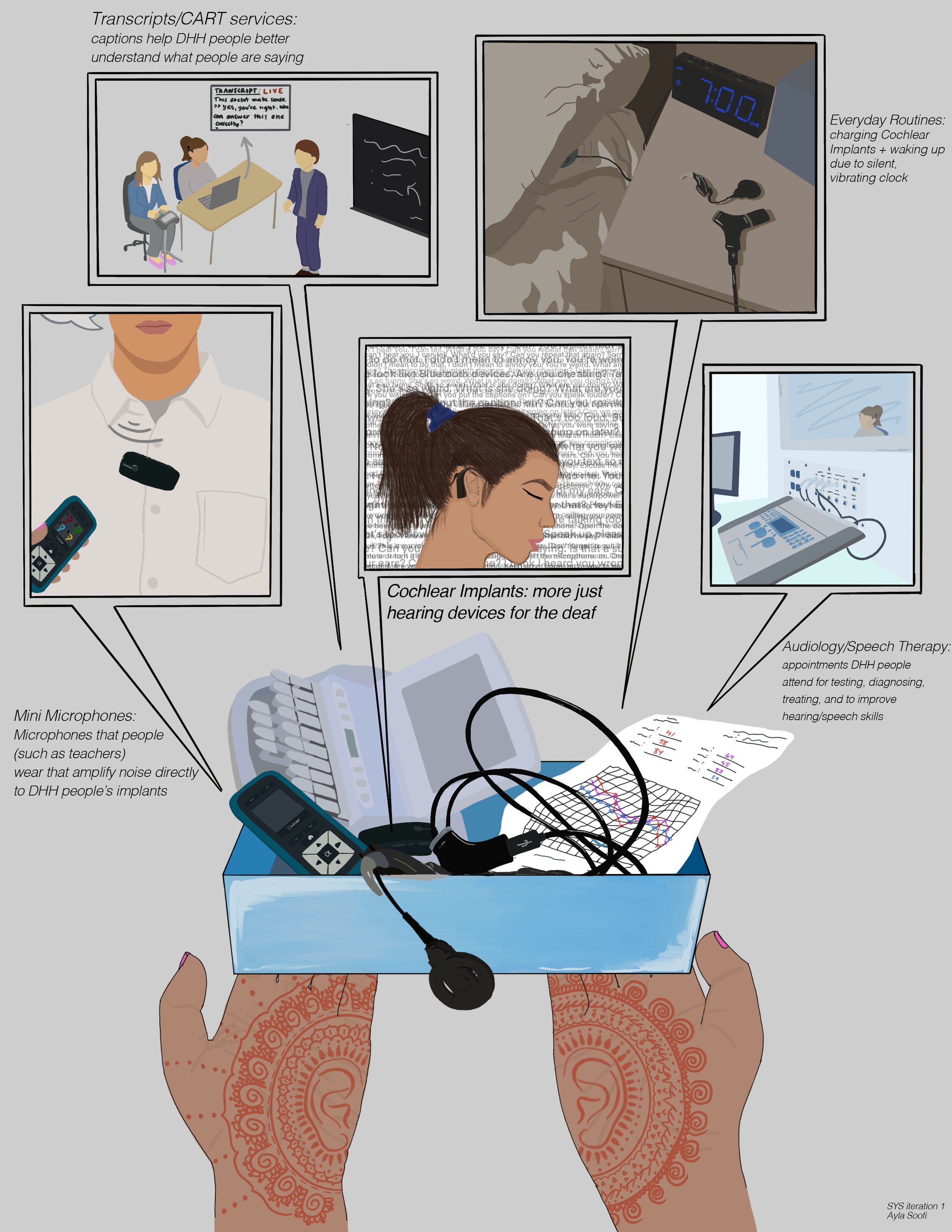
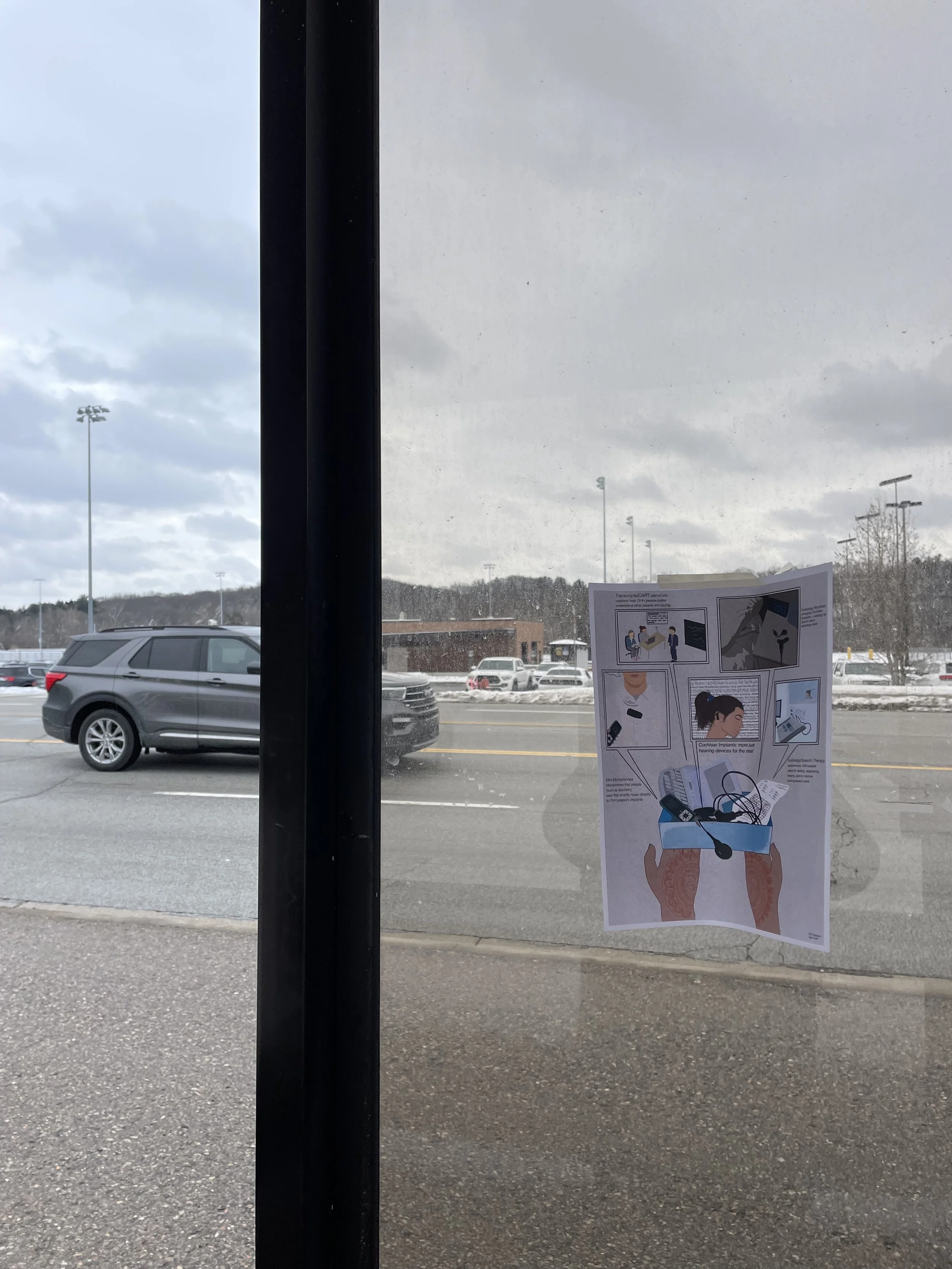
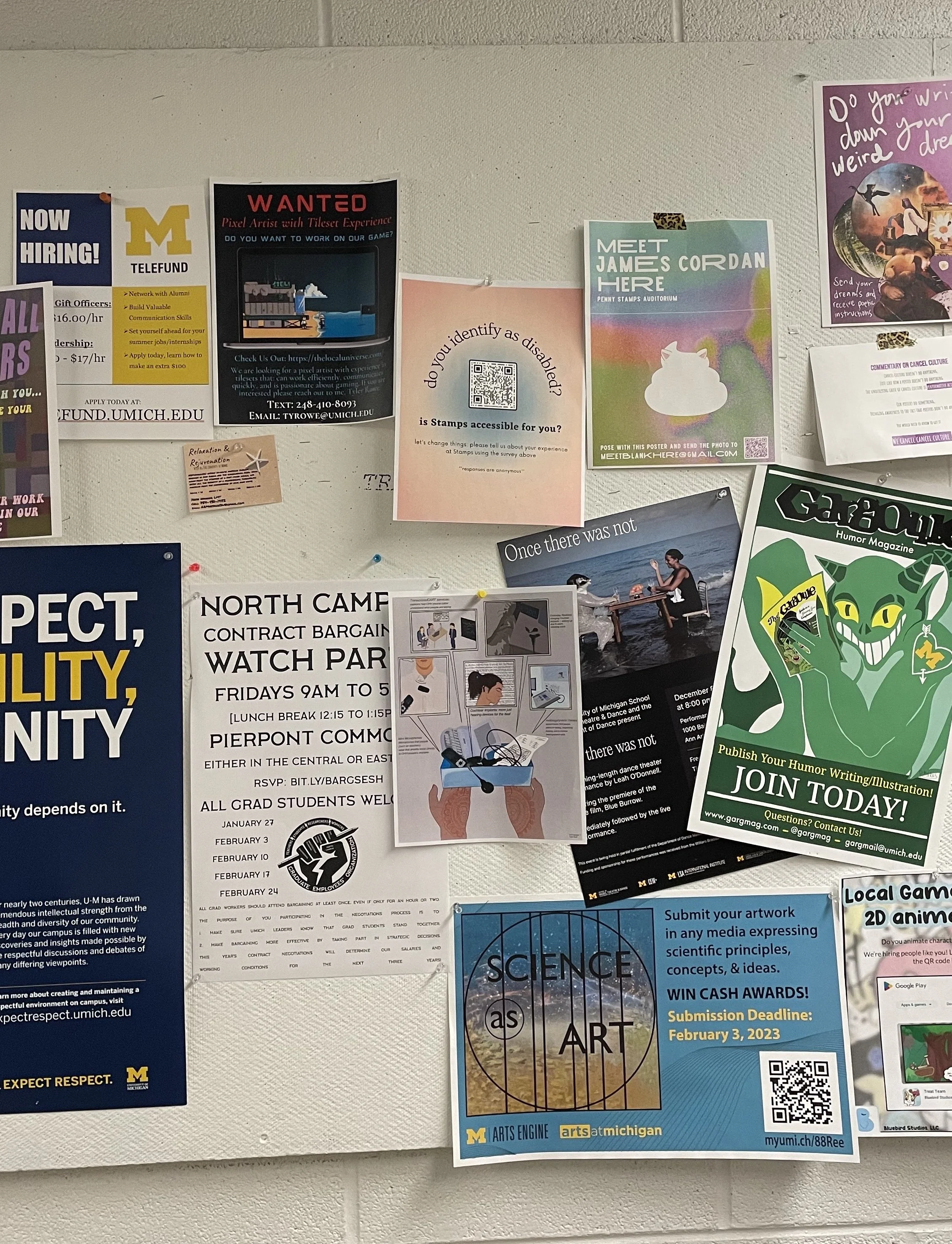
“More than Implants” was a digital illustration that focused on showing and informing the public audience that there are many other components to being deaf and hard of hearing than just a device that allows us to hear on our ear(s). There are many other factors that come into play, which differentiates myself from others’ learning and everyday experiences.
Key Takeaways from Iteration 1
What was successful:
Clearly communicated the many factors shaping Deaf and Hard of Hearing experiences beyond hearing devices.
What didn’t work:
While viewers understood the message and intent, feedback revealed a lack of emotional resonance, as audiences had not personally experienced these challenges.
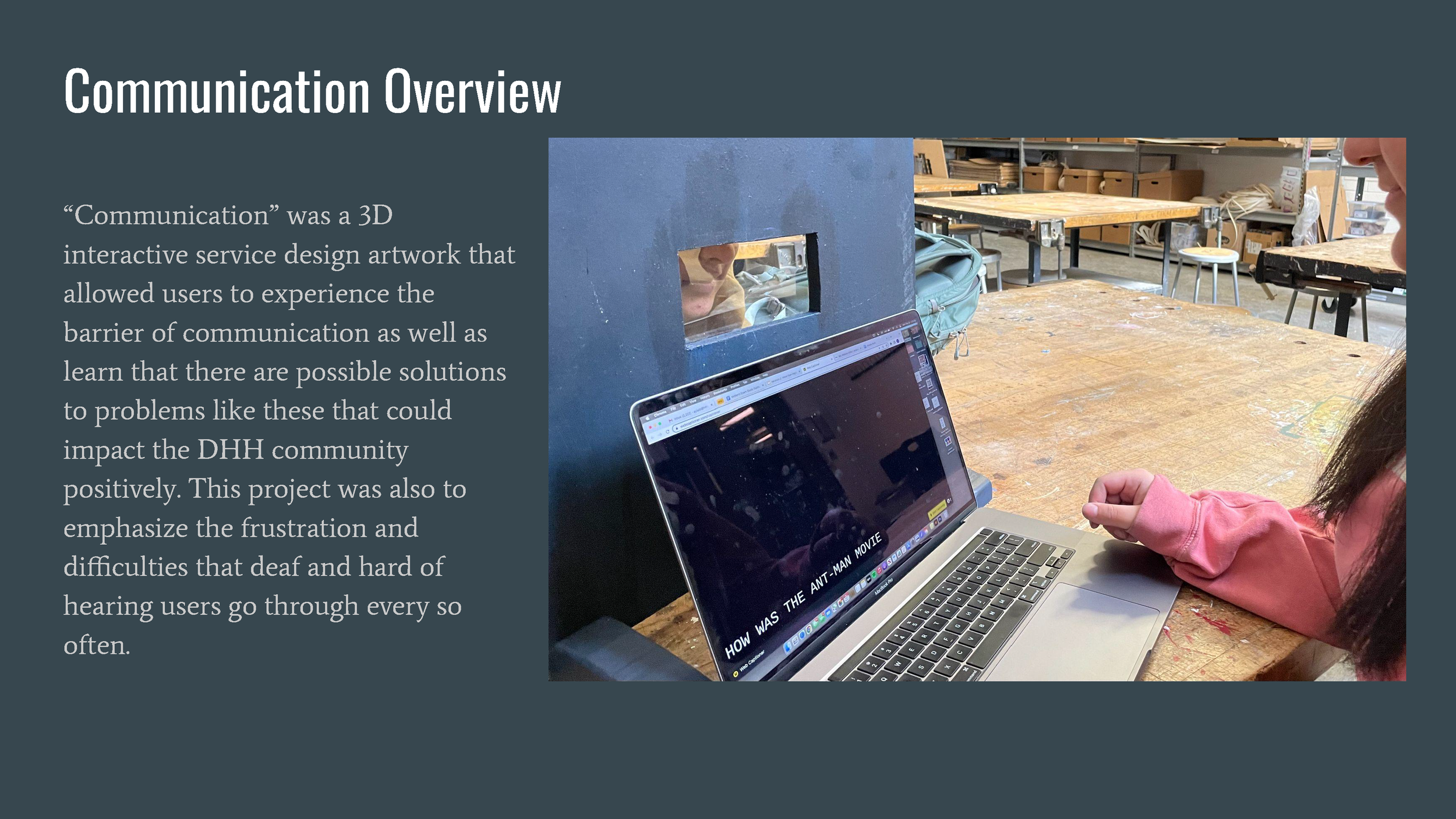
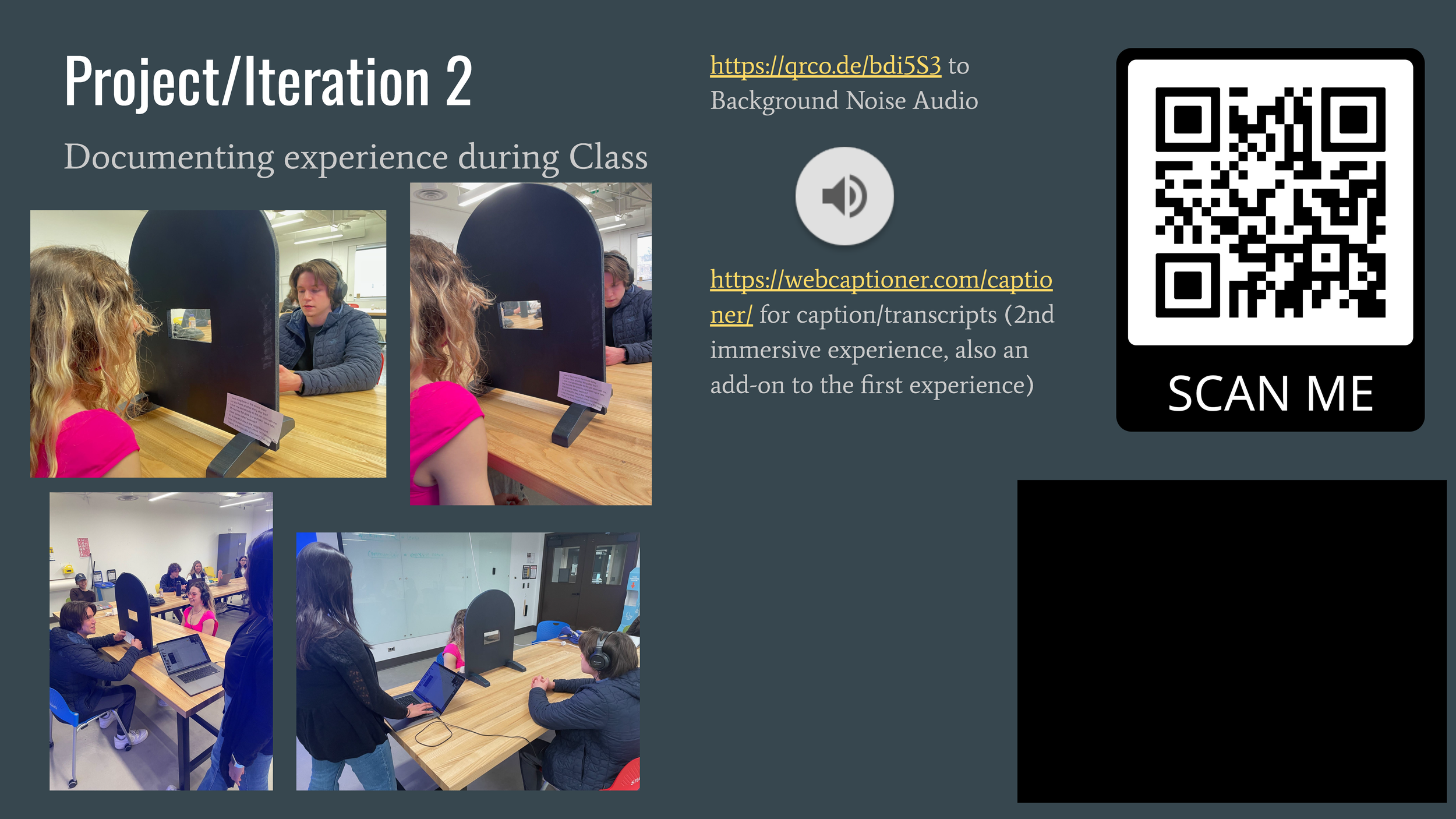
In response, I pushed outside my comfort zone by shifting into 3D and audio-based (4D) work. Rather than presenting information visually, I focused on creating immersive experiences that allow participants to feel the frustration, effort, and communication disconnect firsthand.
Iteration 2 Research
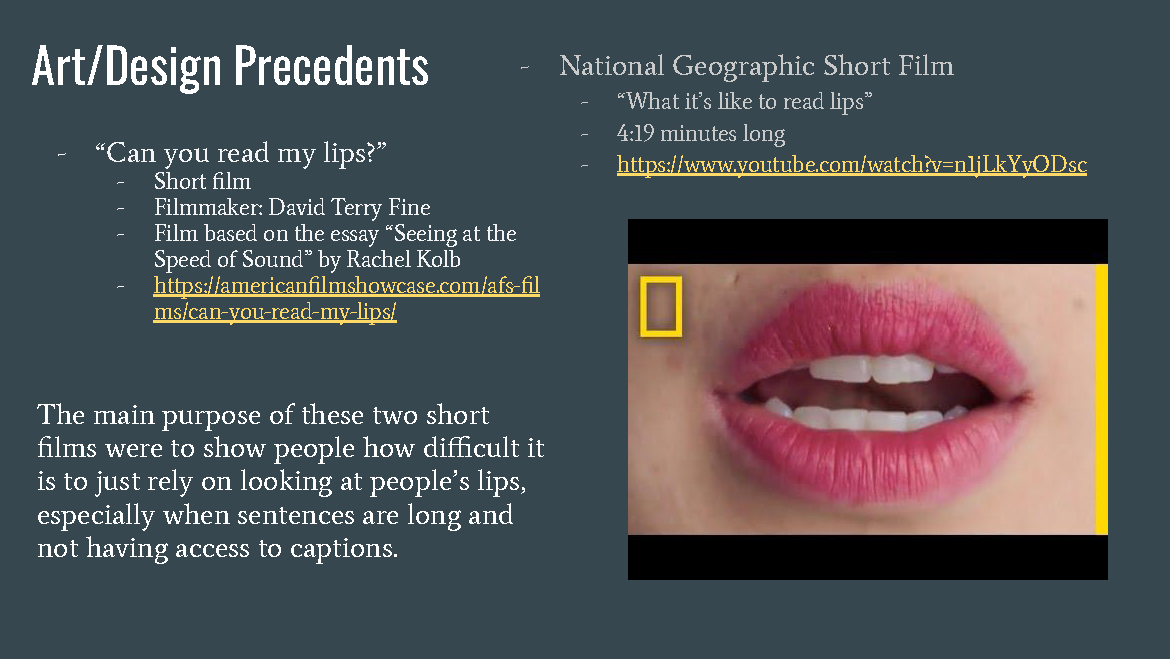
“Can You Read My Lips?” — David Terry Fine
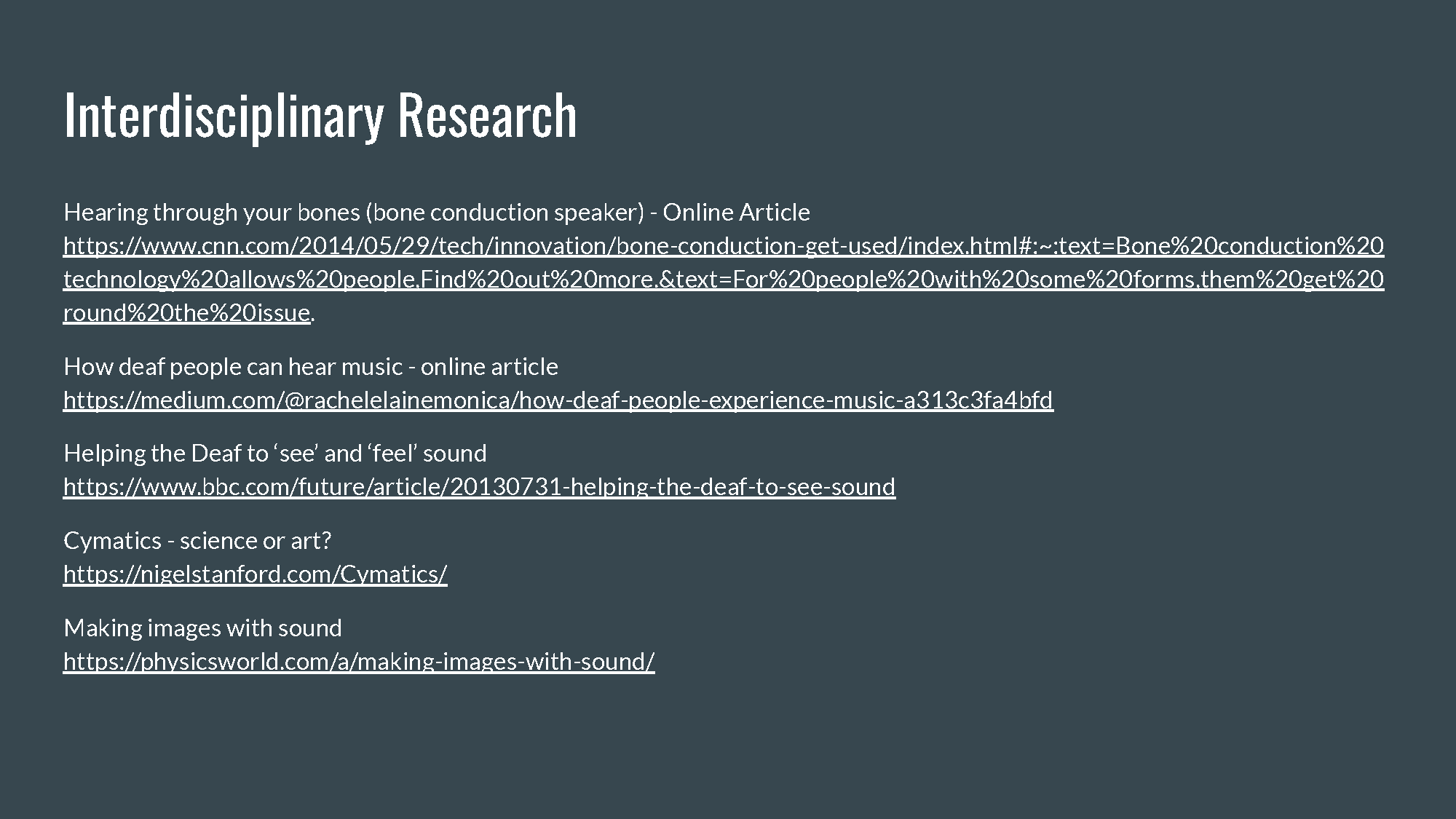
Based on Rachel Kolb’s essay Seeing at the Speed of Sound and featured by National Geographic, this short film demonstrates how difficult and unreliable lip-reading can be without access to captions—especially as sentence length and complexity increase.
This research informed Iteration 2 by reinforcing that lip-reading alone is an insufficient form of access, shaping the decision to design an experience where participants must rely on visual cues under challenging conditions.
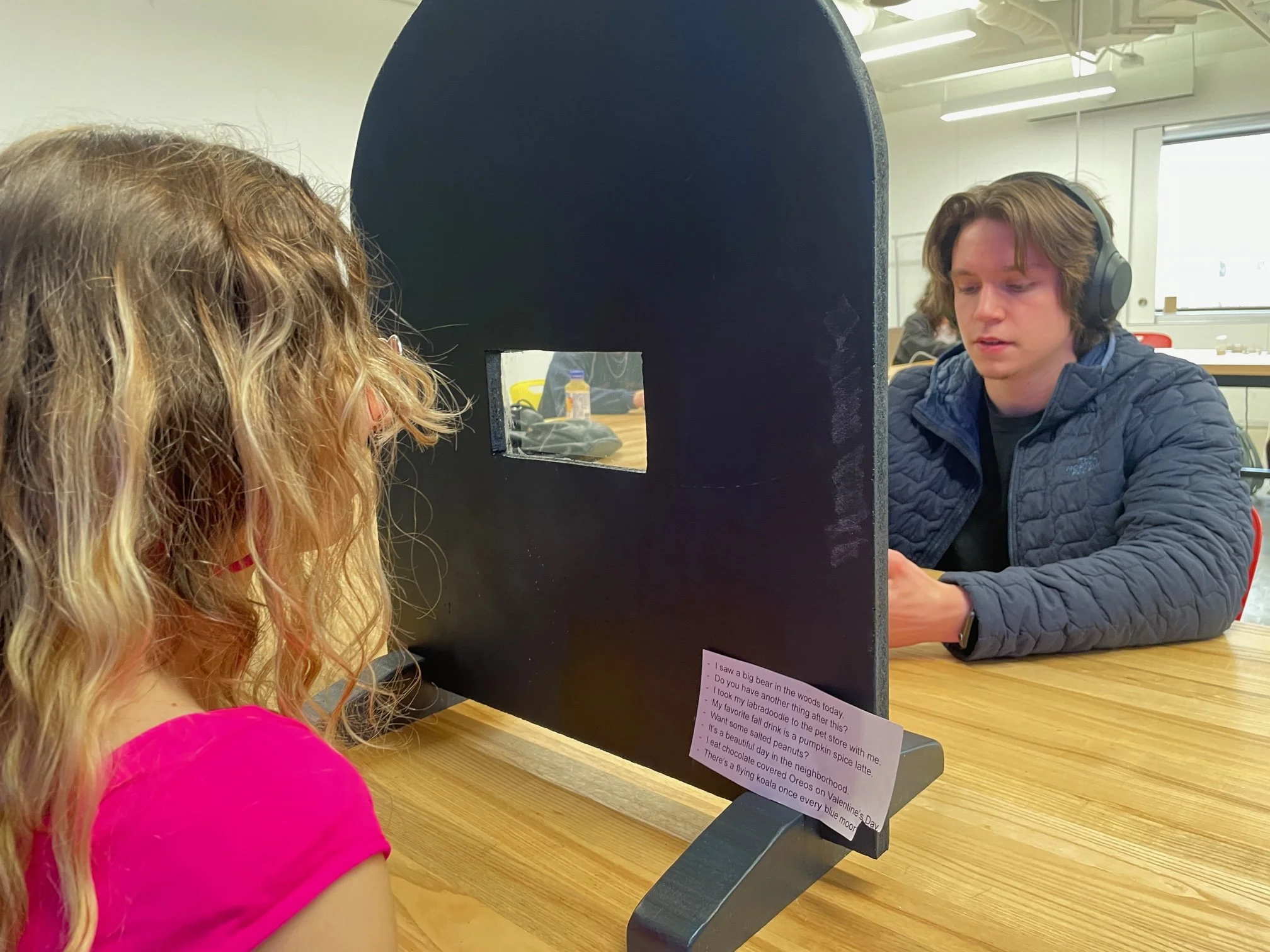
Iteration 2: Communication
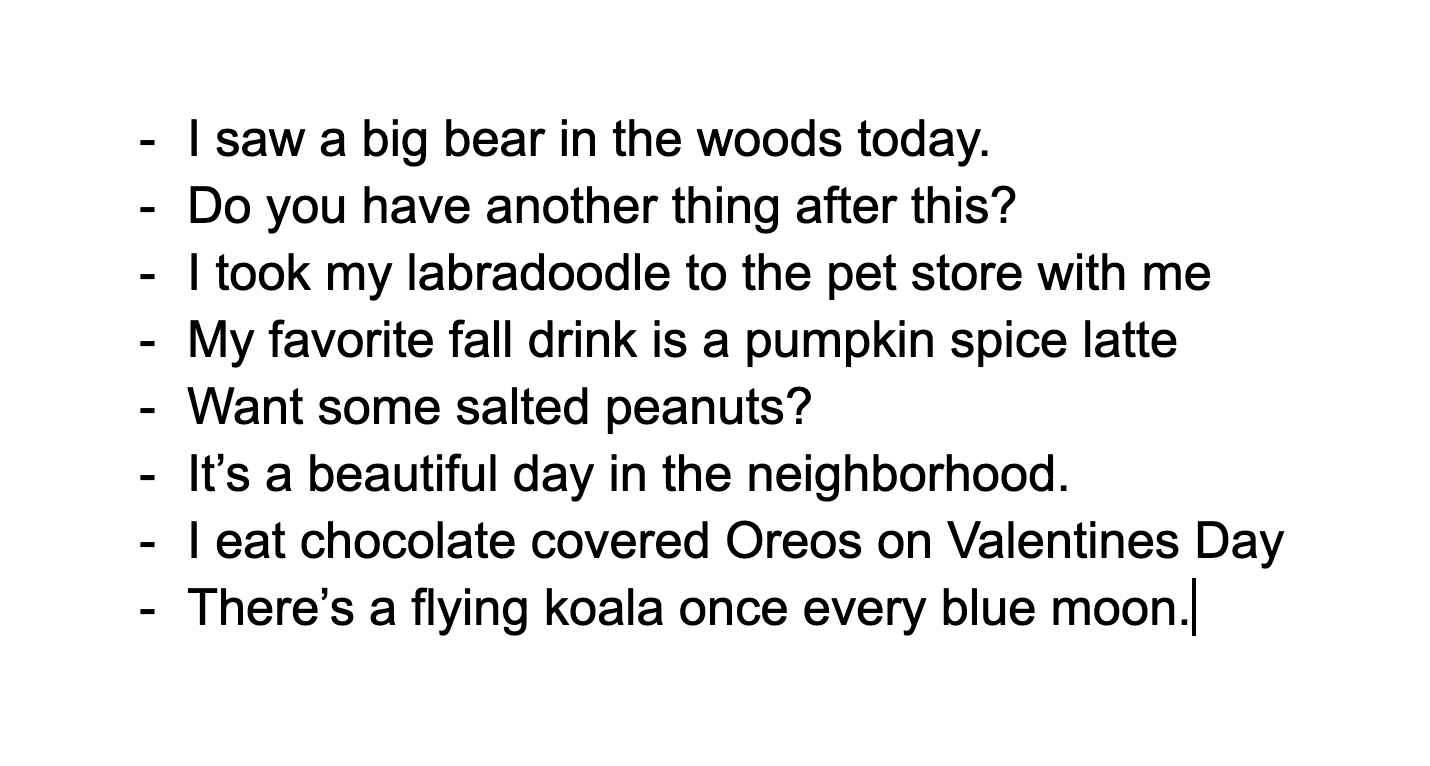
Key Takeaways from Iteration 2
What was successful:
Participants felt frustration and confusion and became more aware of how much effort communication requires without reliable hearing.
What didn’t work:
While accessibility tools brought some relief, they also highlighted that these tools aren’t complete solutions for displaying what it’s like to be Deaf and Hard of Hearing.
While this immersive, audio-based interactive approach deepened emotional engagement and resonance, it also revealed a key limitation: the work still framed Deaf and Hard of Hearing experiences as something for hearing audiences to observe. This insight led to the final iteration, Visualizing Sound, which centers Deaf and Hard of Hearing perception by reframing sound as vibration and visual interpretation rather than as a deficit.
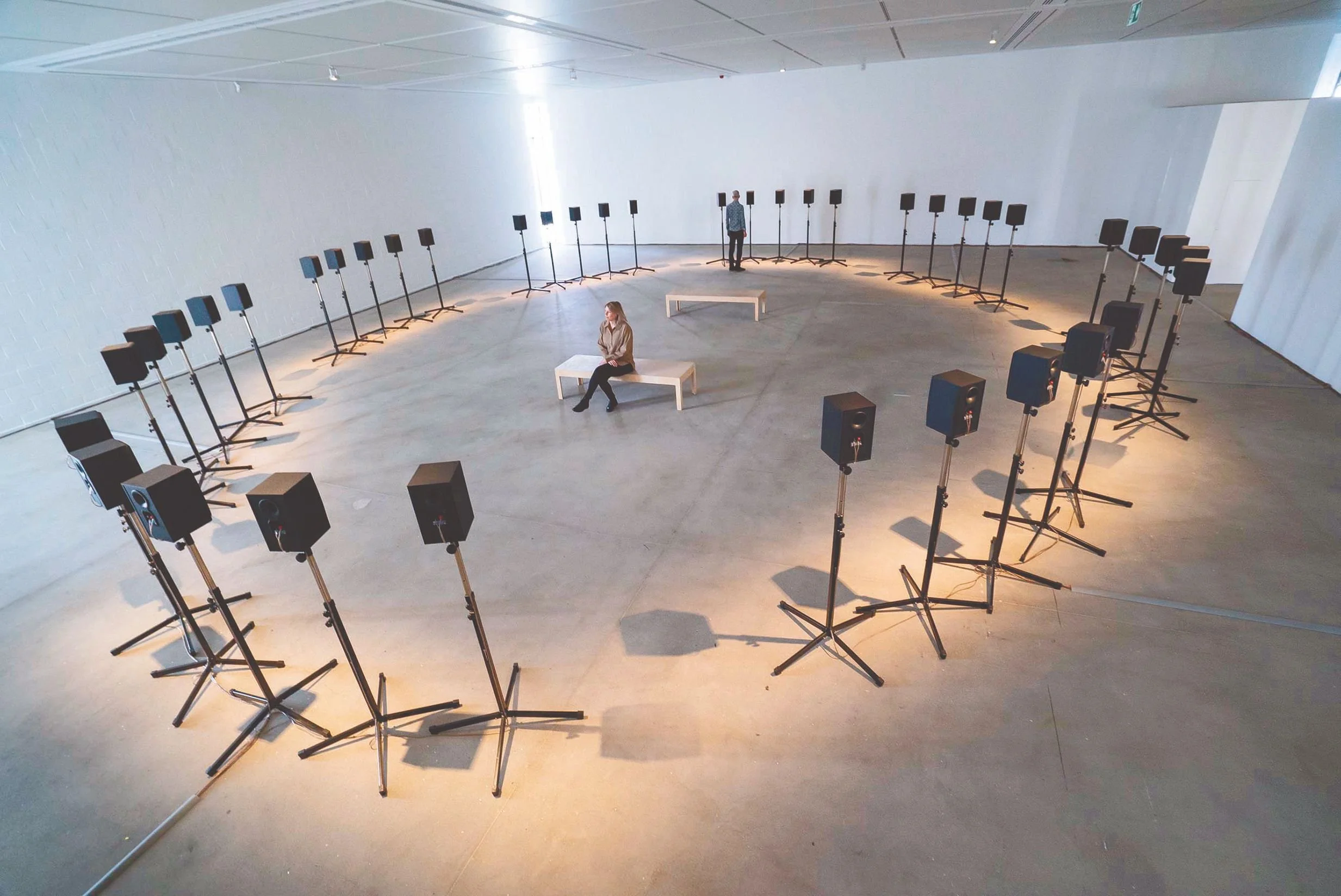
Final Iteration Research
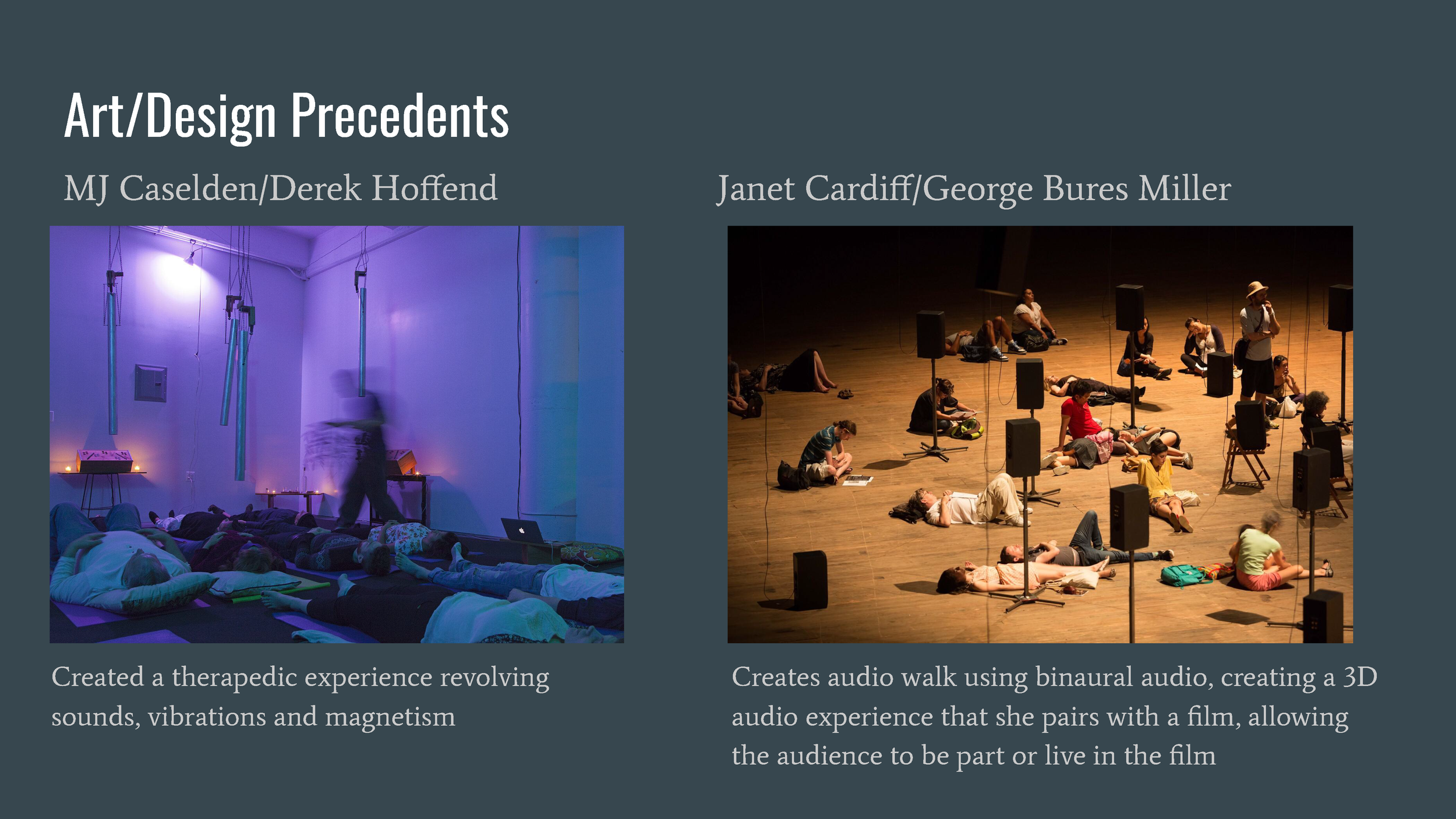
Focusing on how binaural sound shapes perception and movement from audio walks.
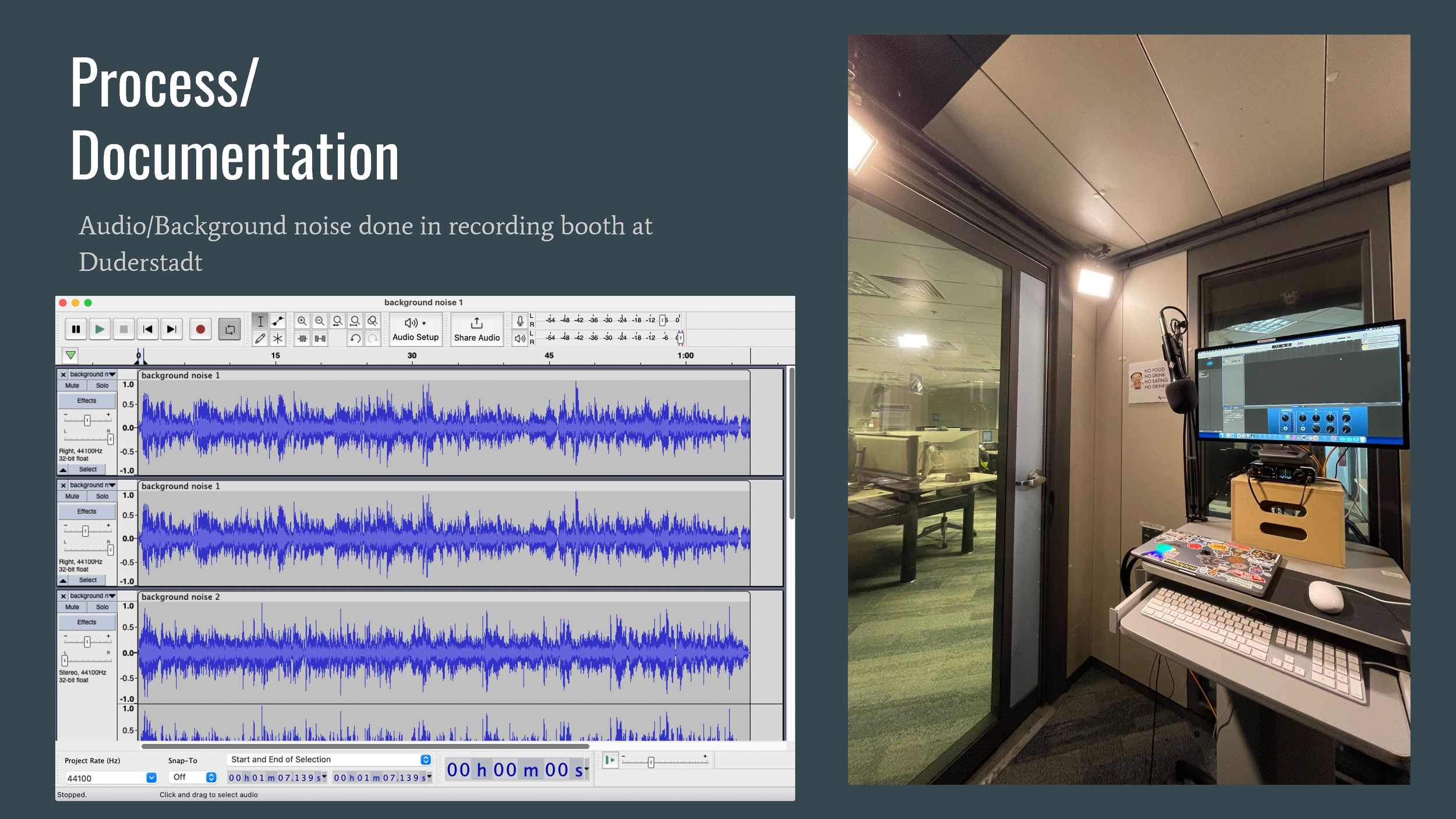
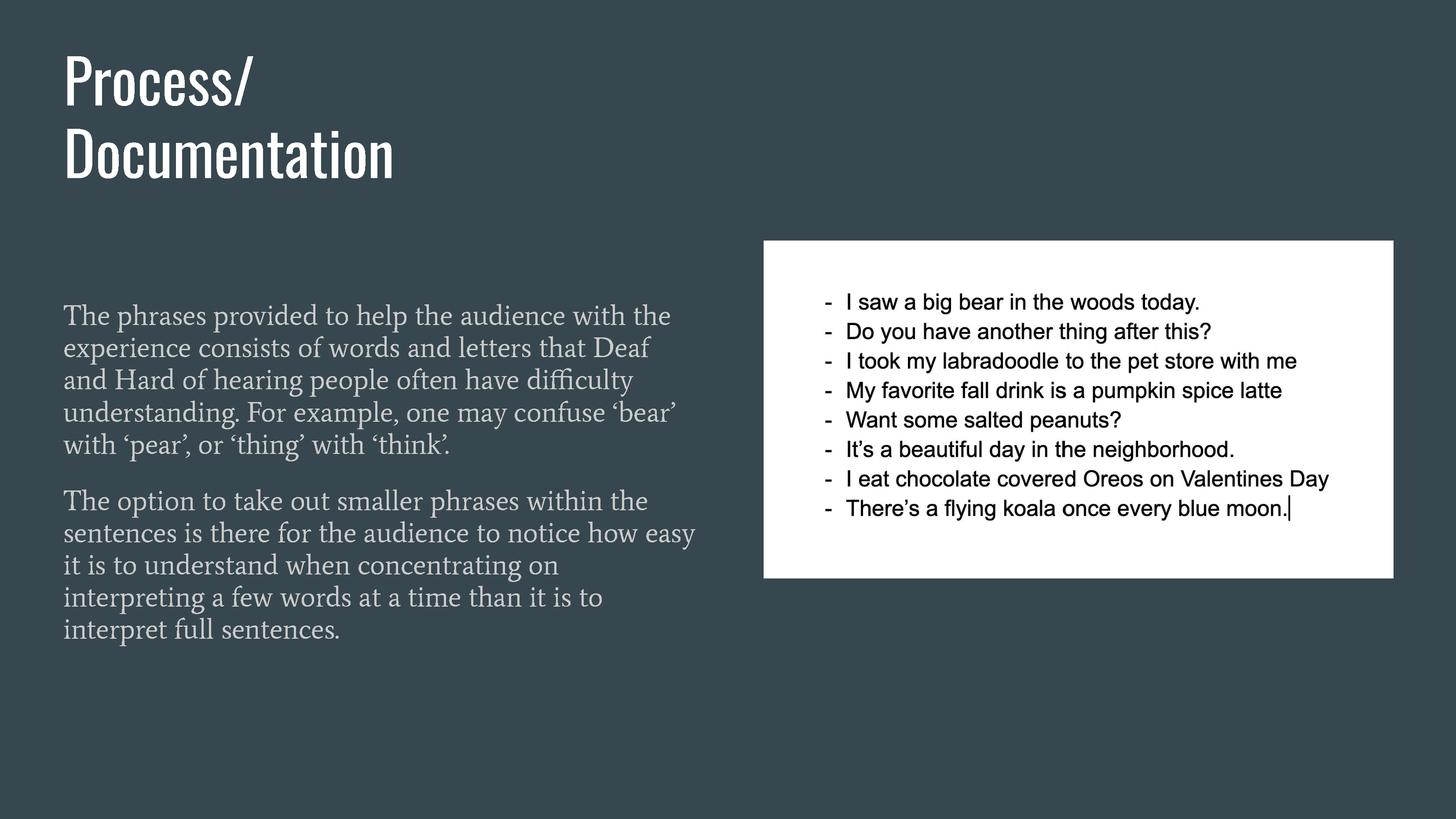
Researched Deaf and Hard of Hearing communication, including lip-reading, caption delays, background noise, and commonly misheard phrases.
This research informed both the structure of the experiences and the emotional pacing.
Janet Cardiff and George Bures Miller
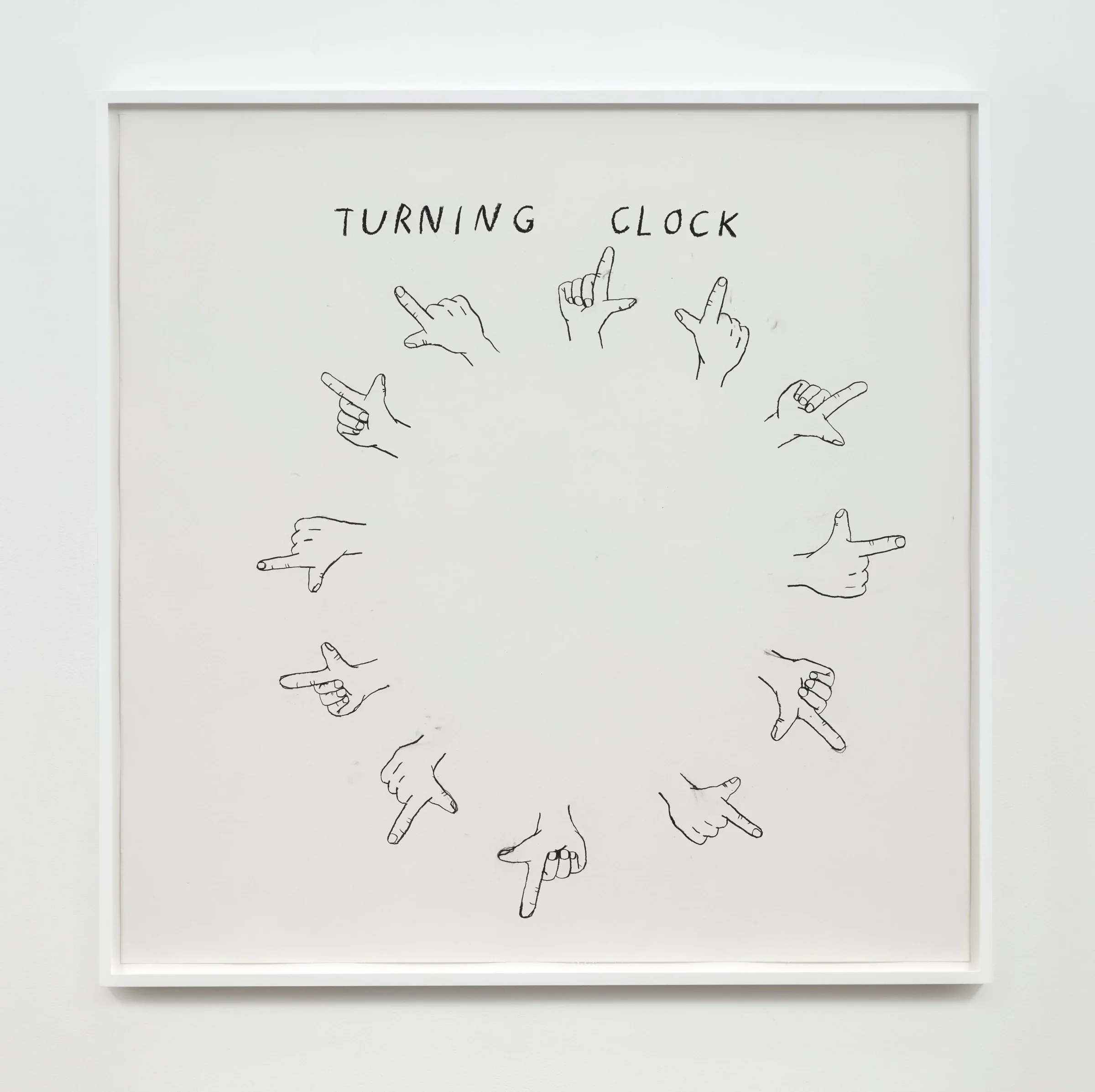
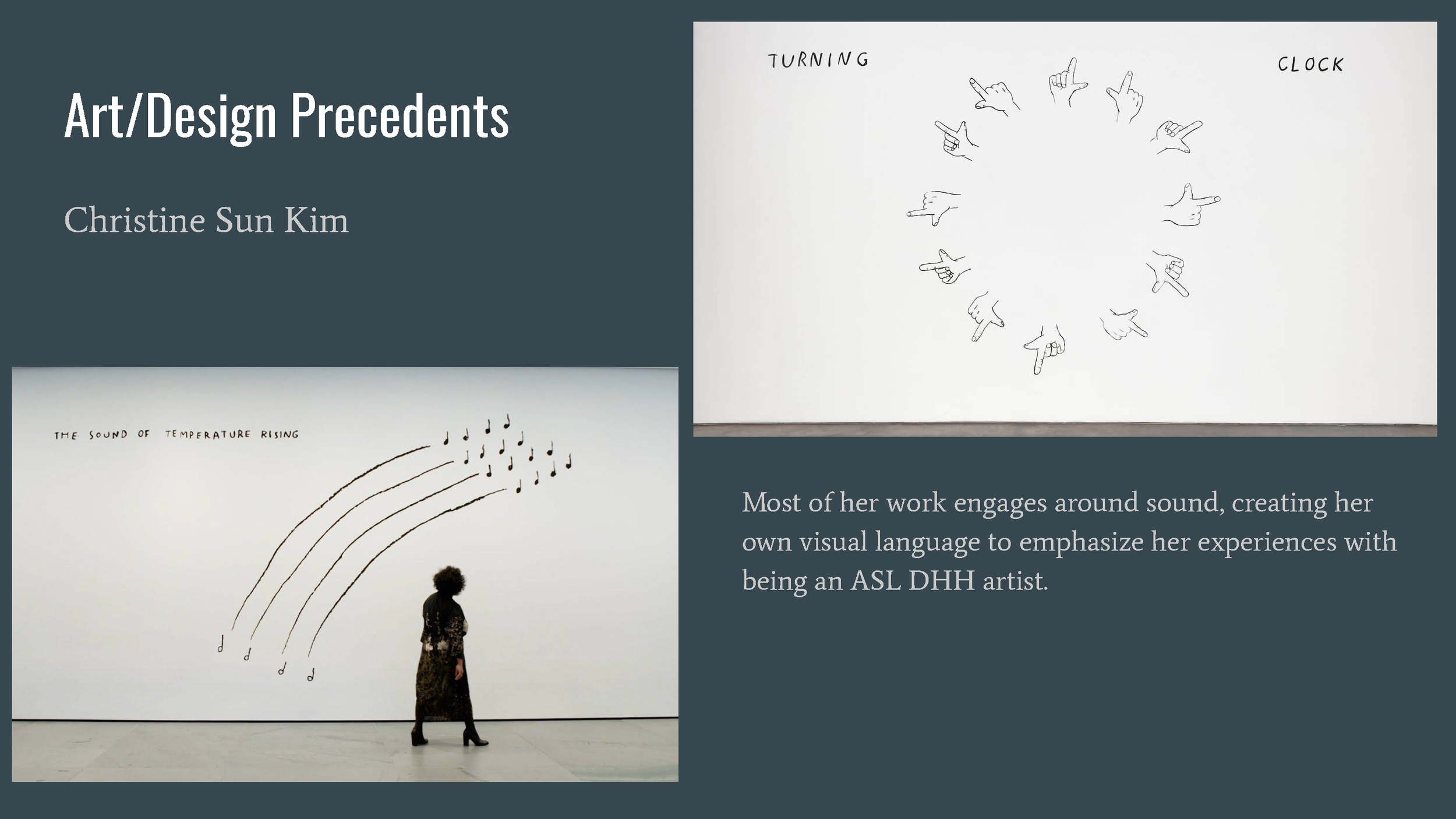
Examined how Christine Sun Kim’s practice explores the role of sound within society through a Deaf-centered visual language.
Christine Sun Kim
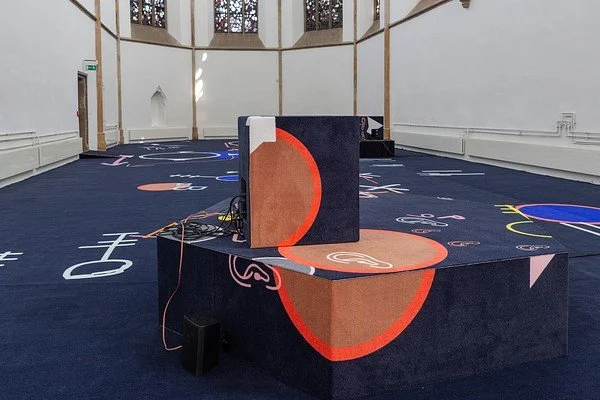
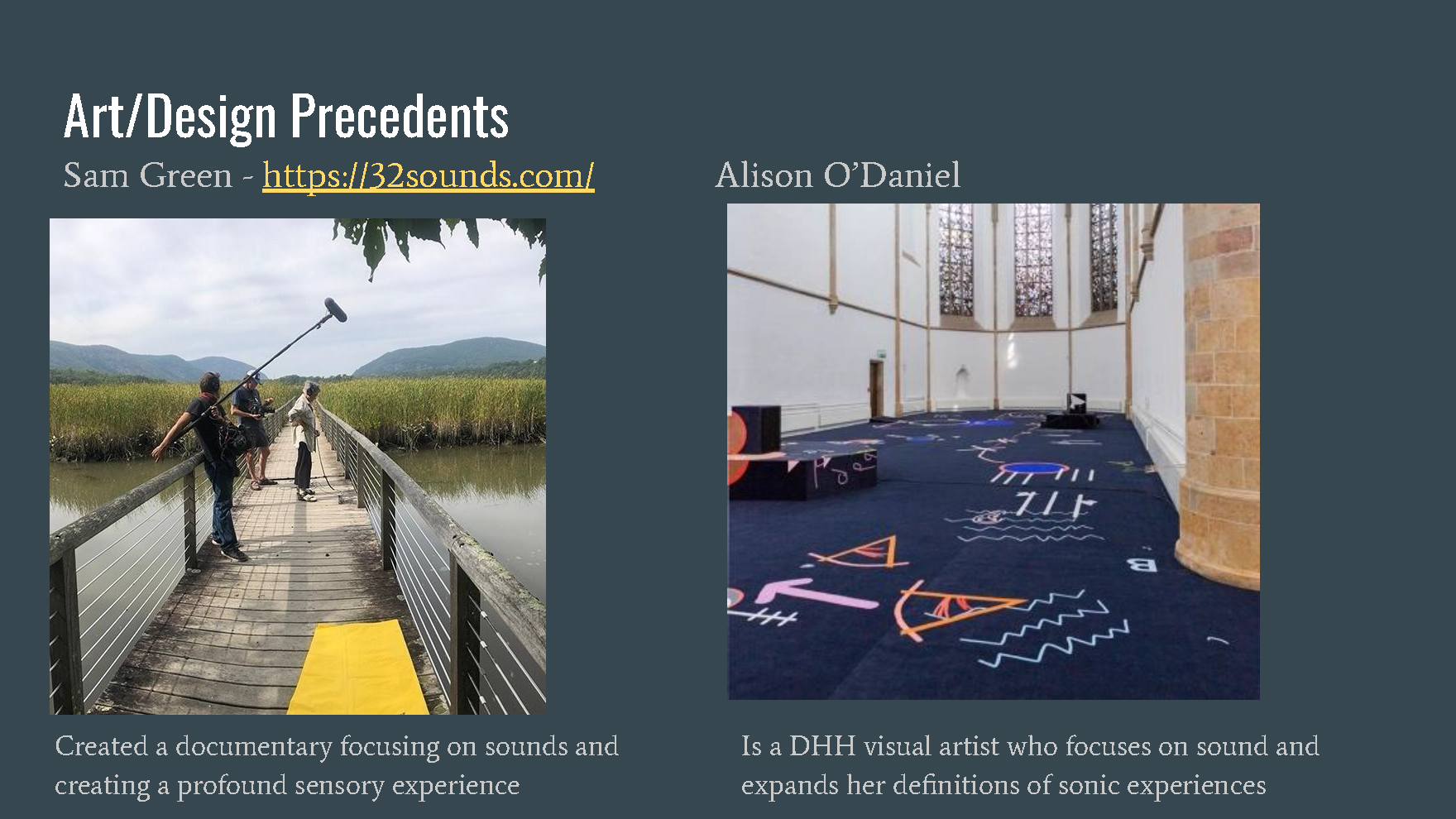
Alison O’Daniel’s practice explores sound beyond hearing and redefines sonic experience through a Deaf and Hard of Hearing lens.
Alison O’Daniel
Sam Green
Immersive documentary work, which explores sound as a sensory experience that shapes perception, time, and place.
Final Iteration Proposal
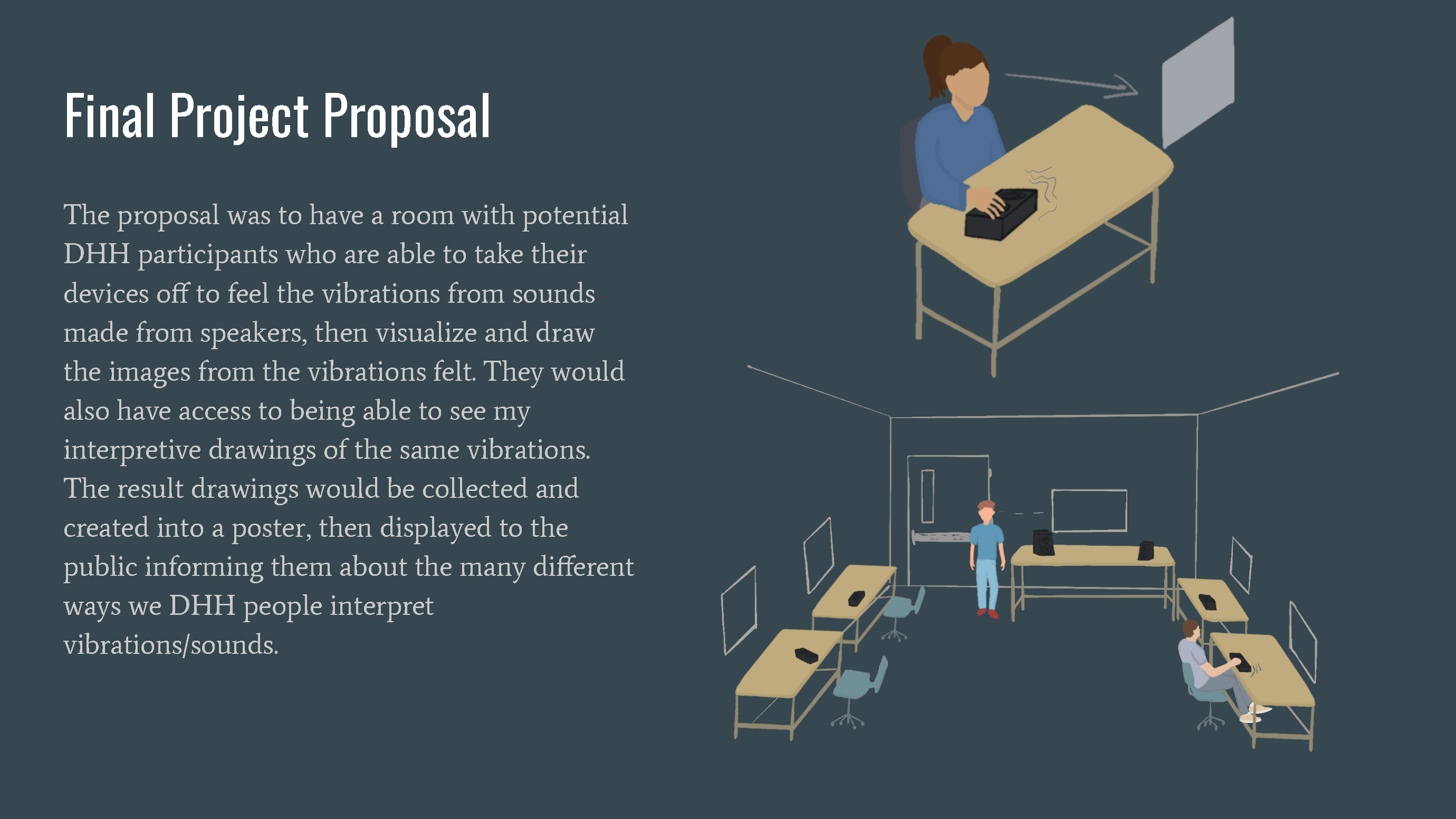
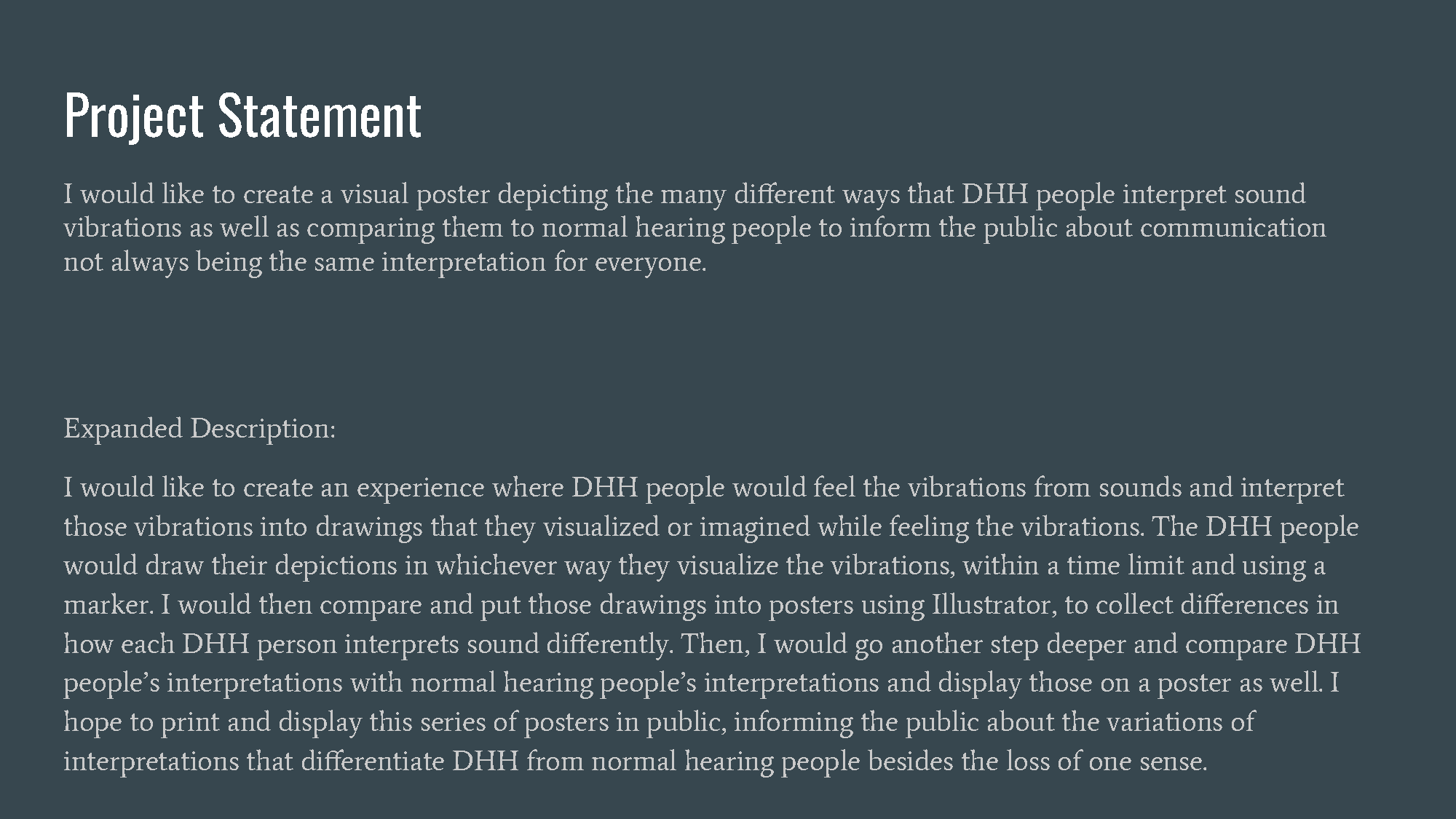
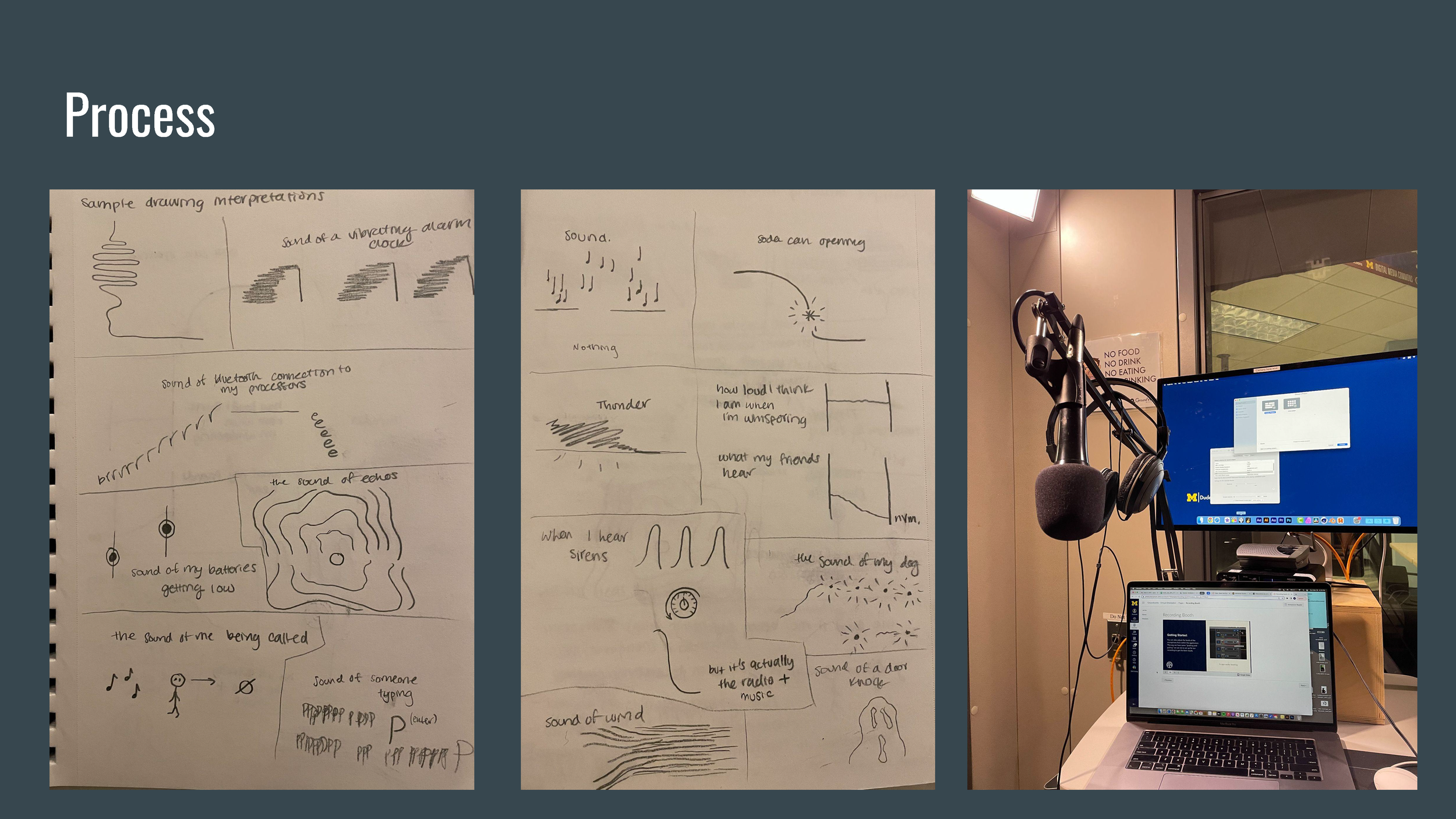
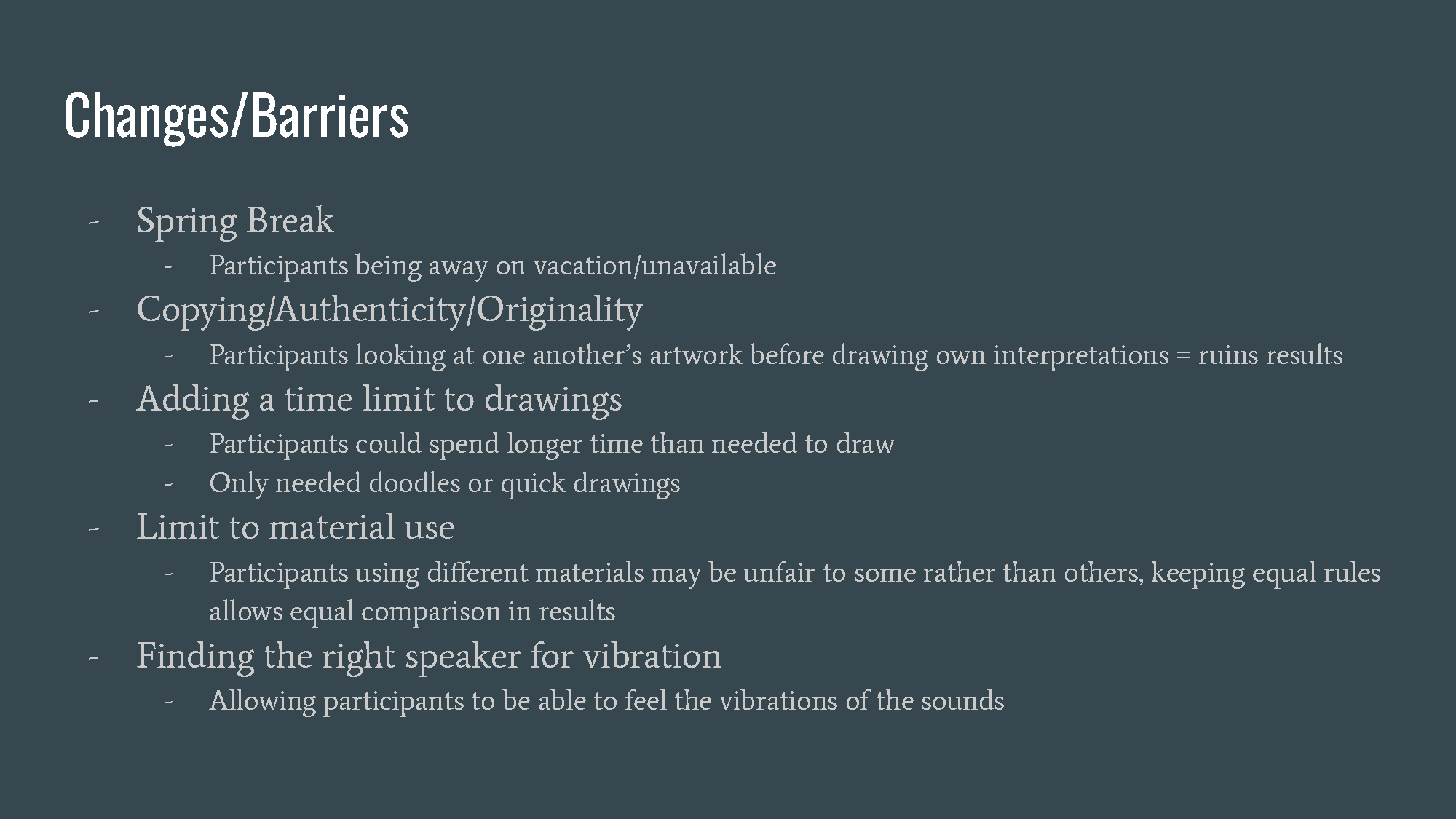
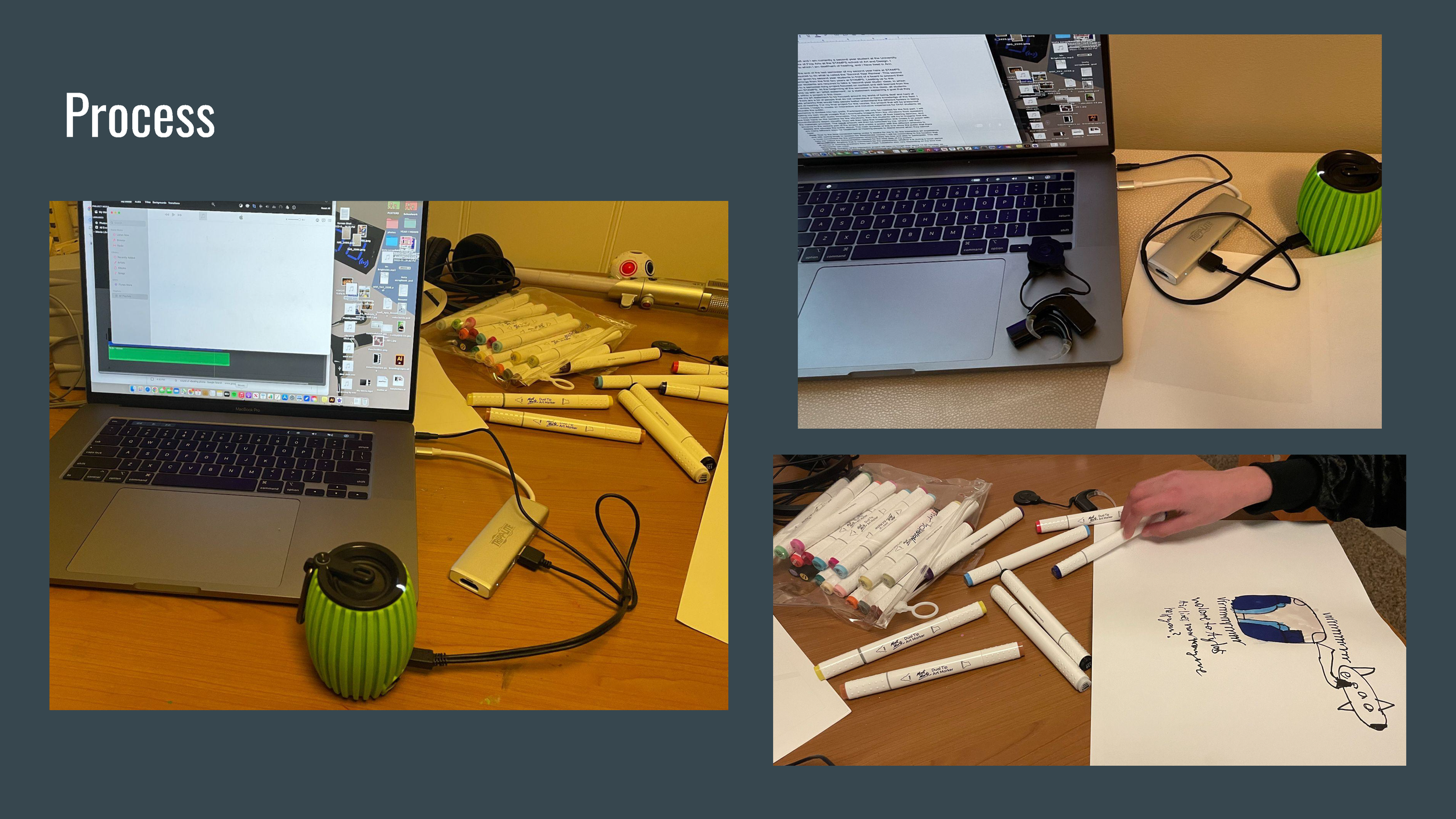
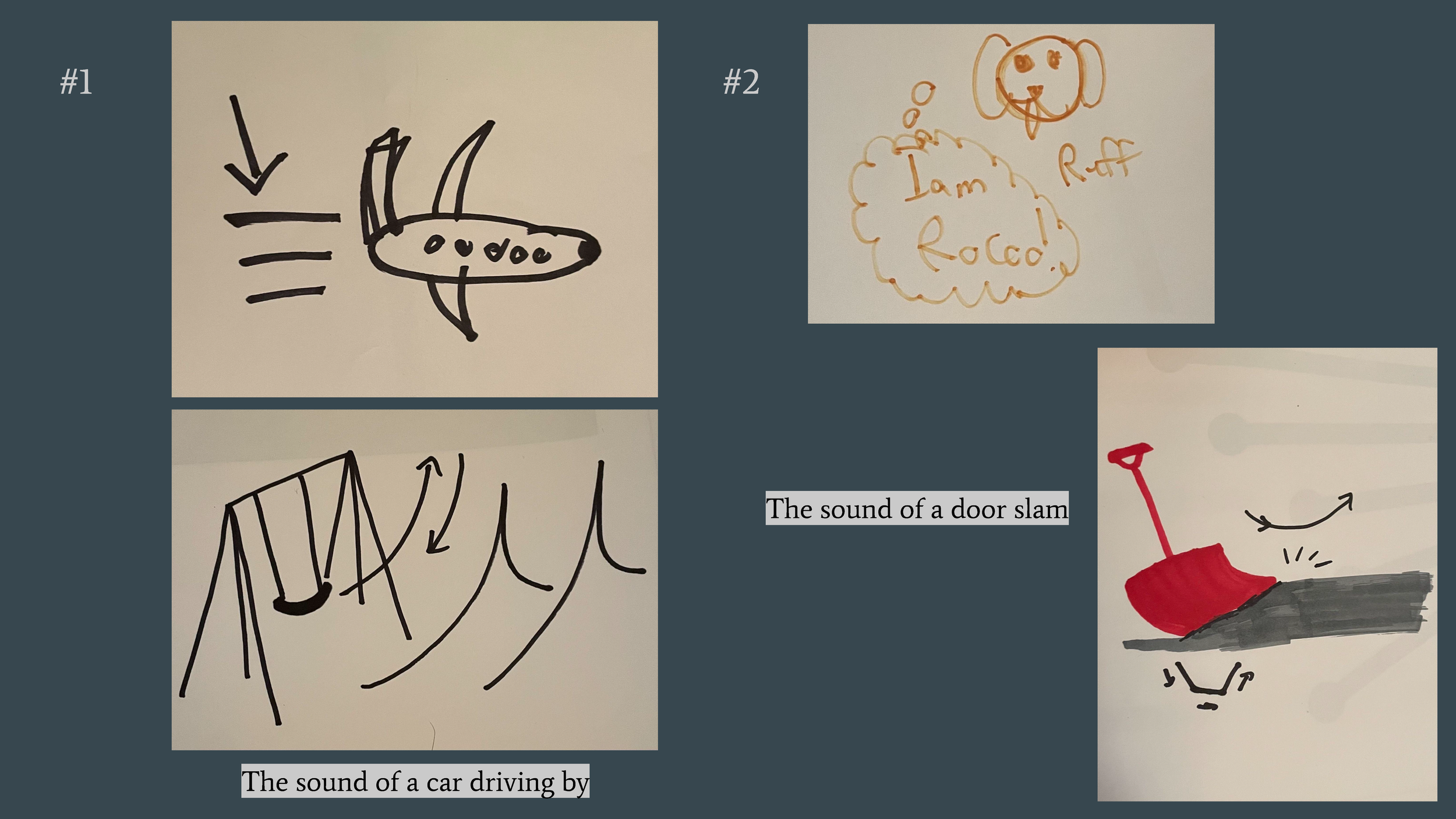
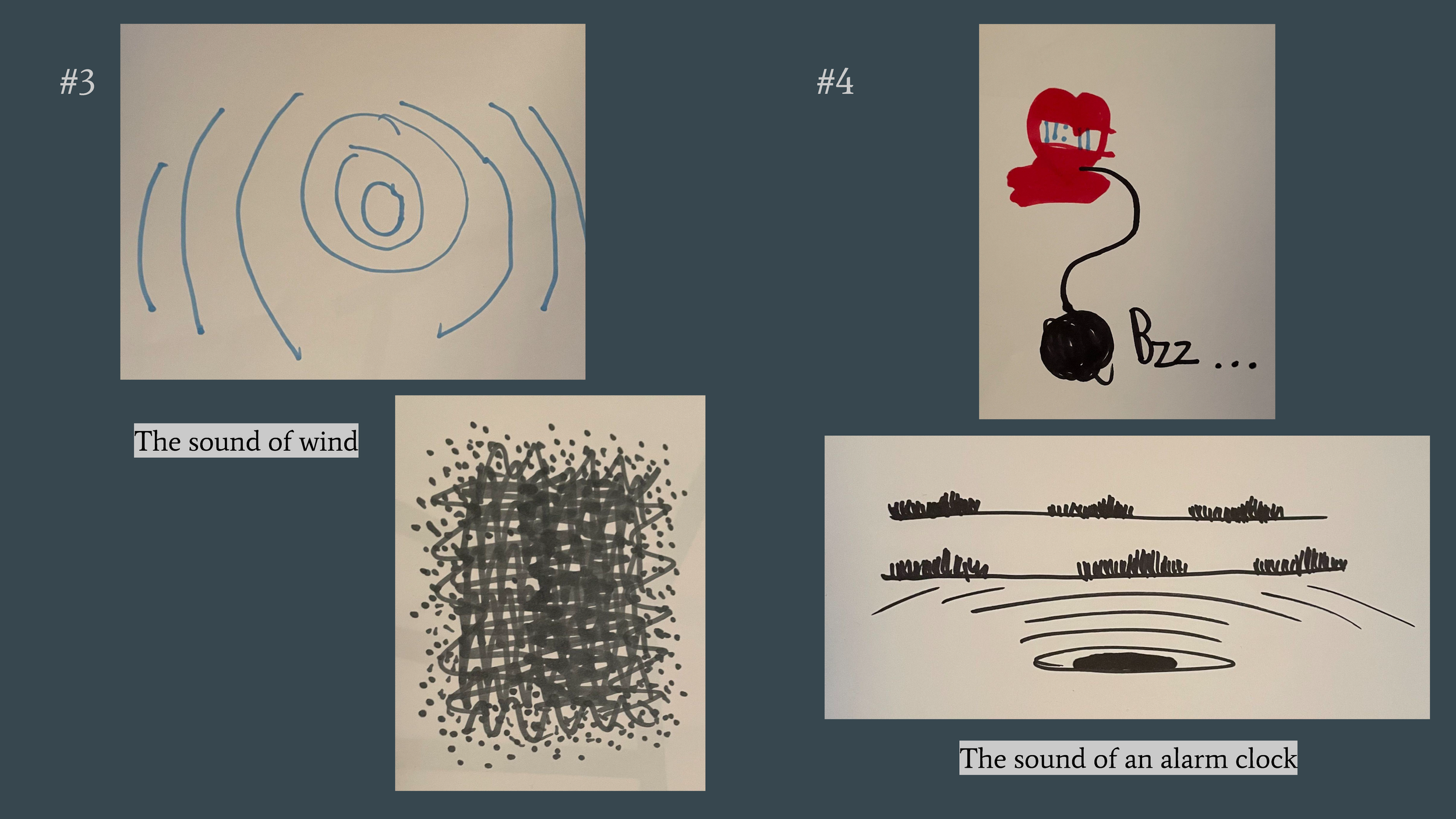
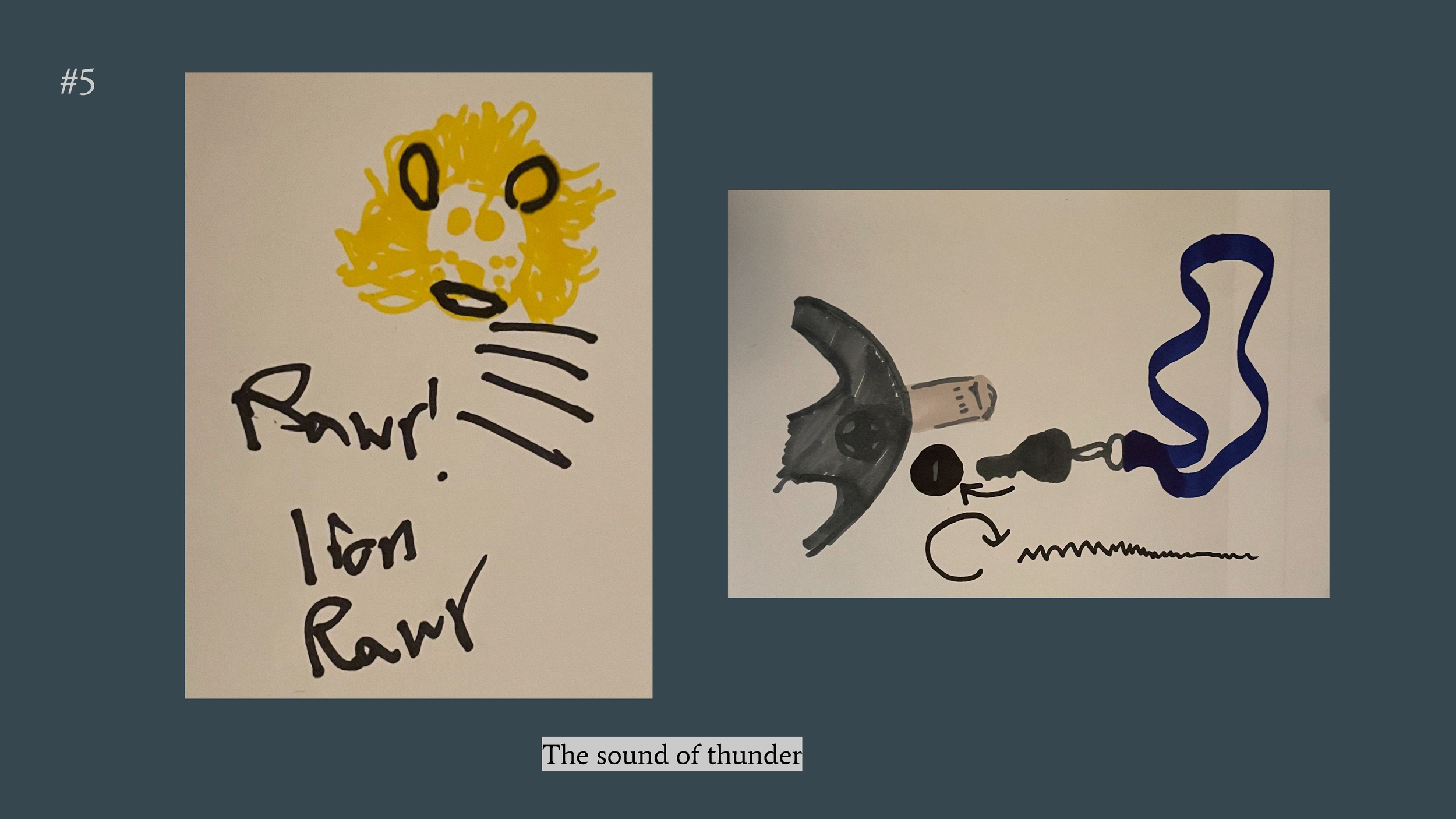
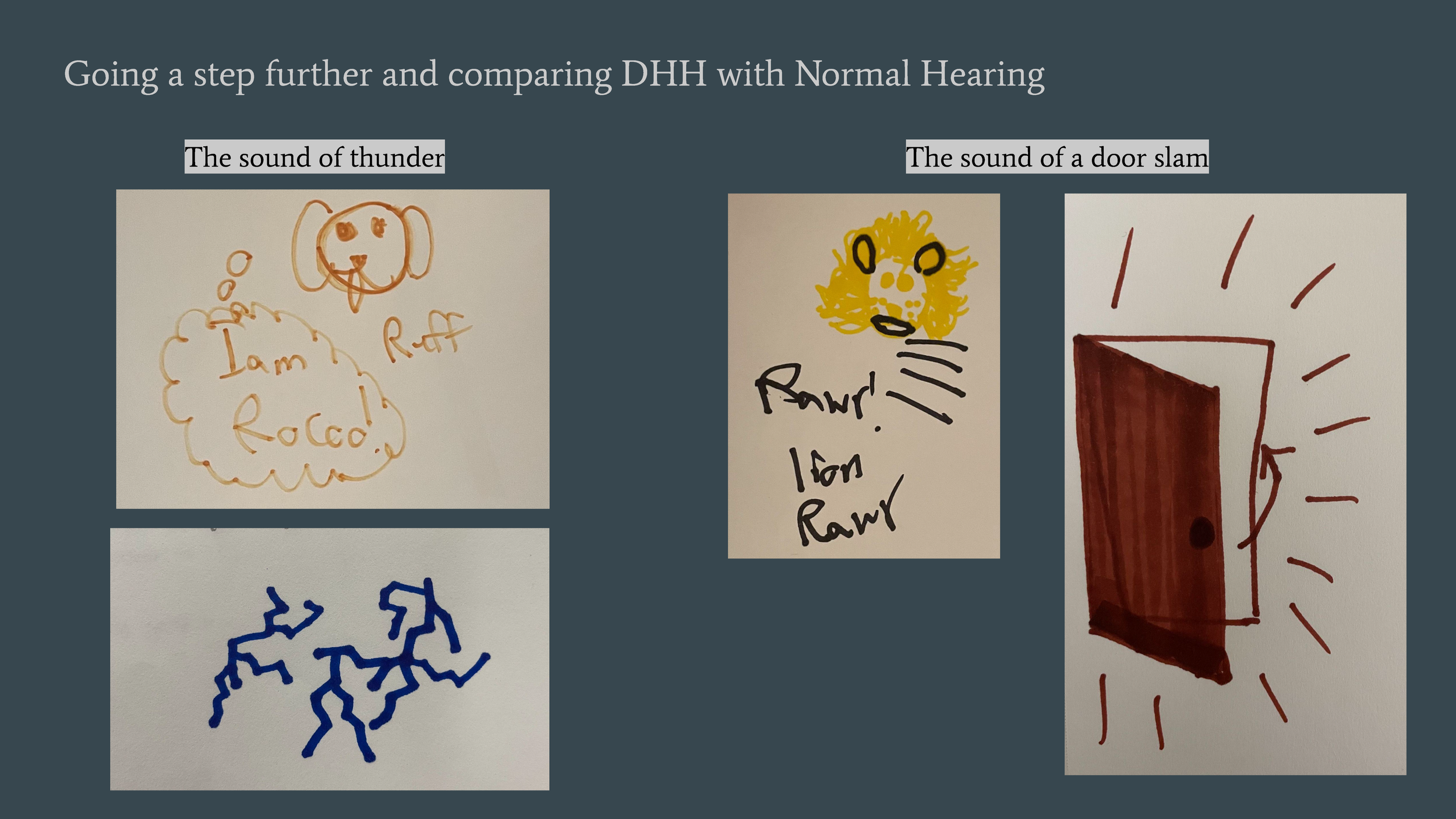
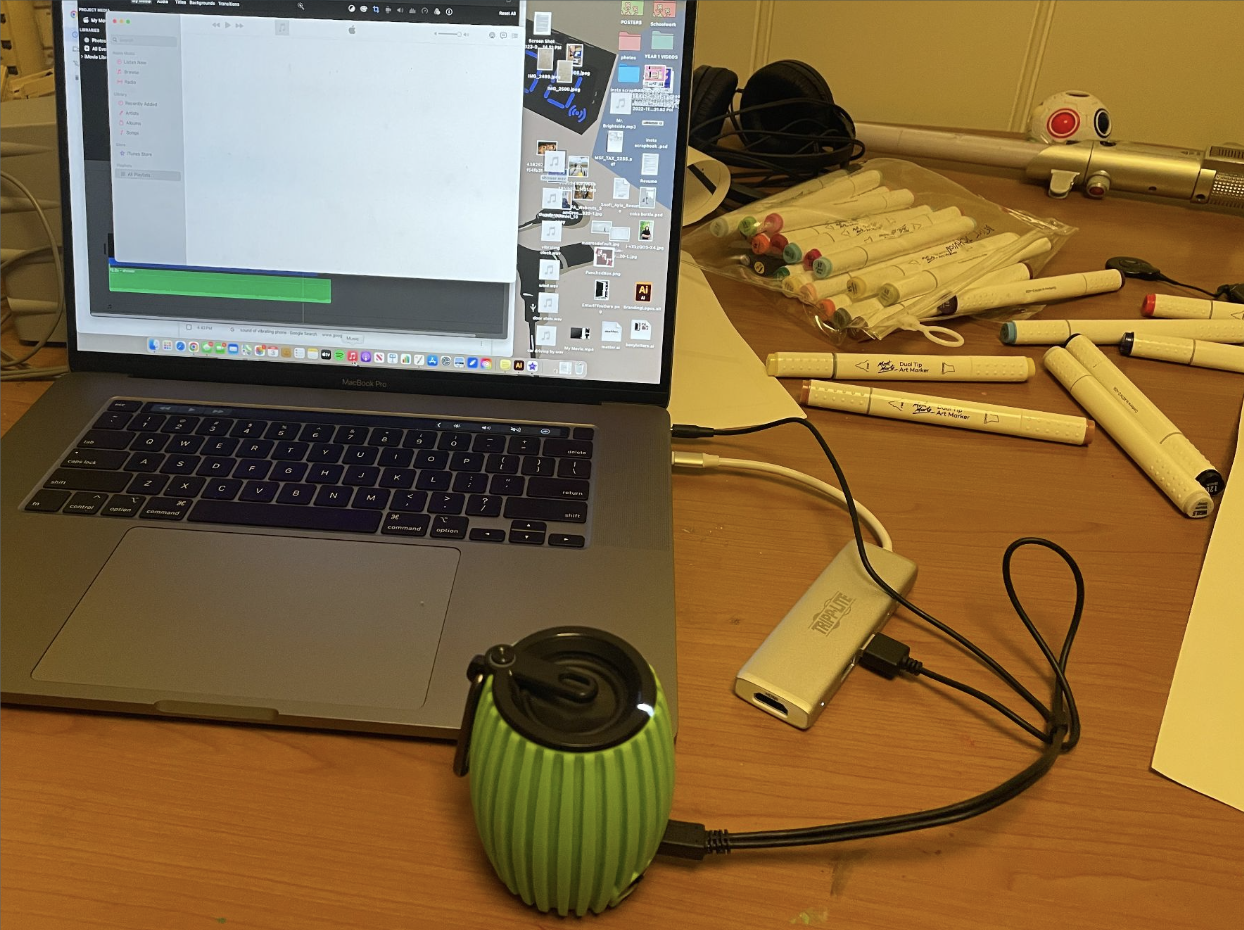
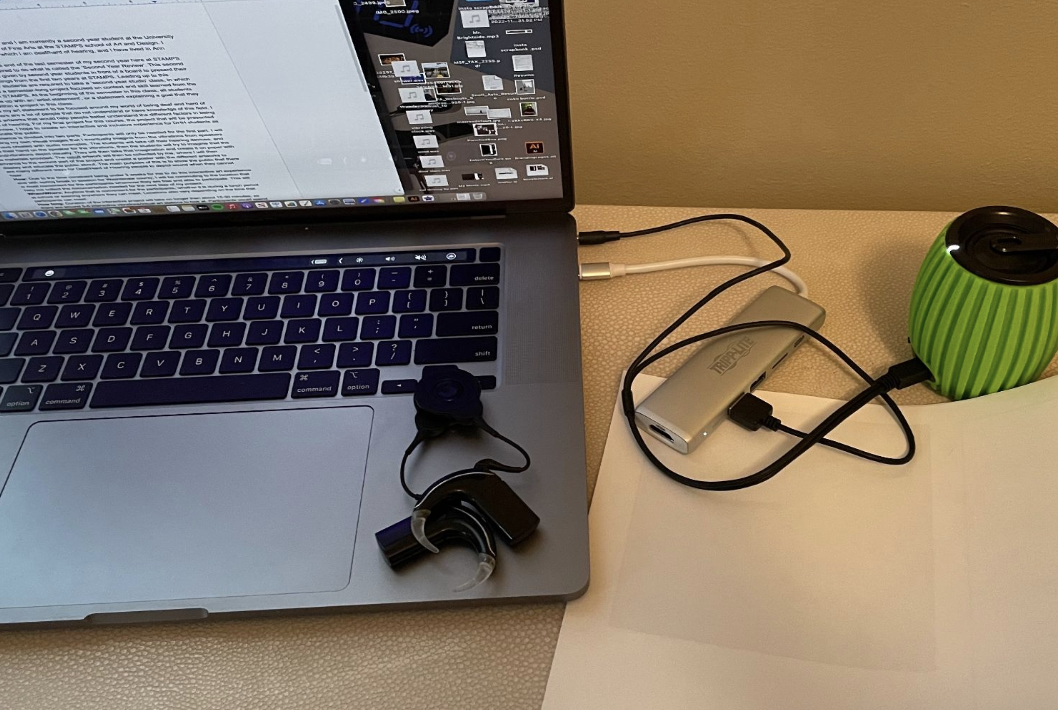
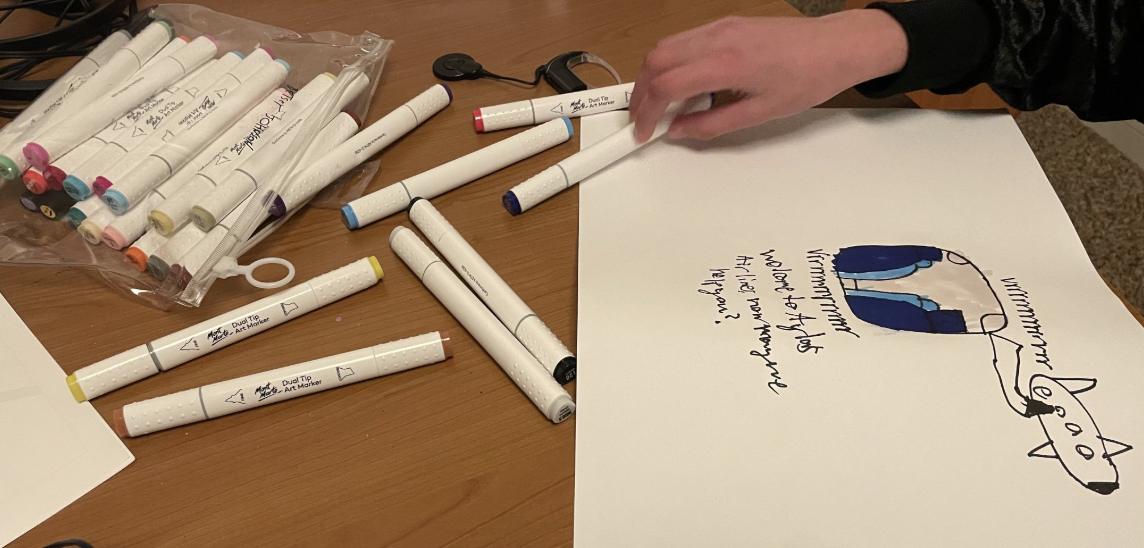
The final iteration shifts from simulating communication barriers to creating an experience led by Deaf and Hard of Hearing participants themselves. Sound is explored as vibration rather than something to be heard, allowing participants to interpret these sensations visually through timed, intuitive drawings.
These drawings are collected and translated into a series of posters, revealing the range of ways sound is perceived and visualized. By comparing interpretations across Deaf and Hard of Hearing participants, and later alongside hearing participants, the project highlights difference without framing it as loss, emphasizing perception, variation, and experience.
Participant Testing
Poster Process
Overall Project Process: